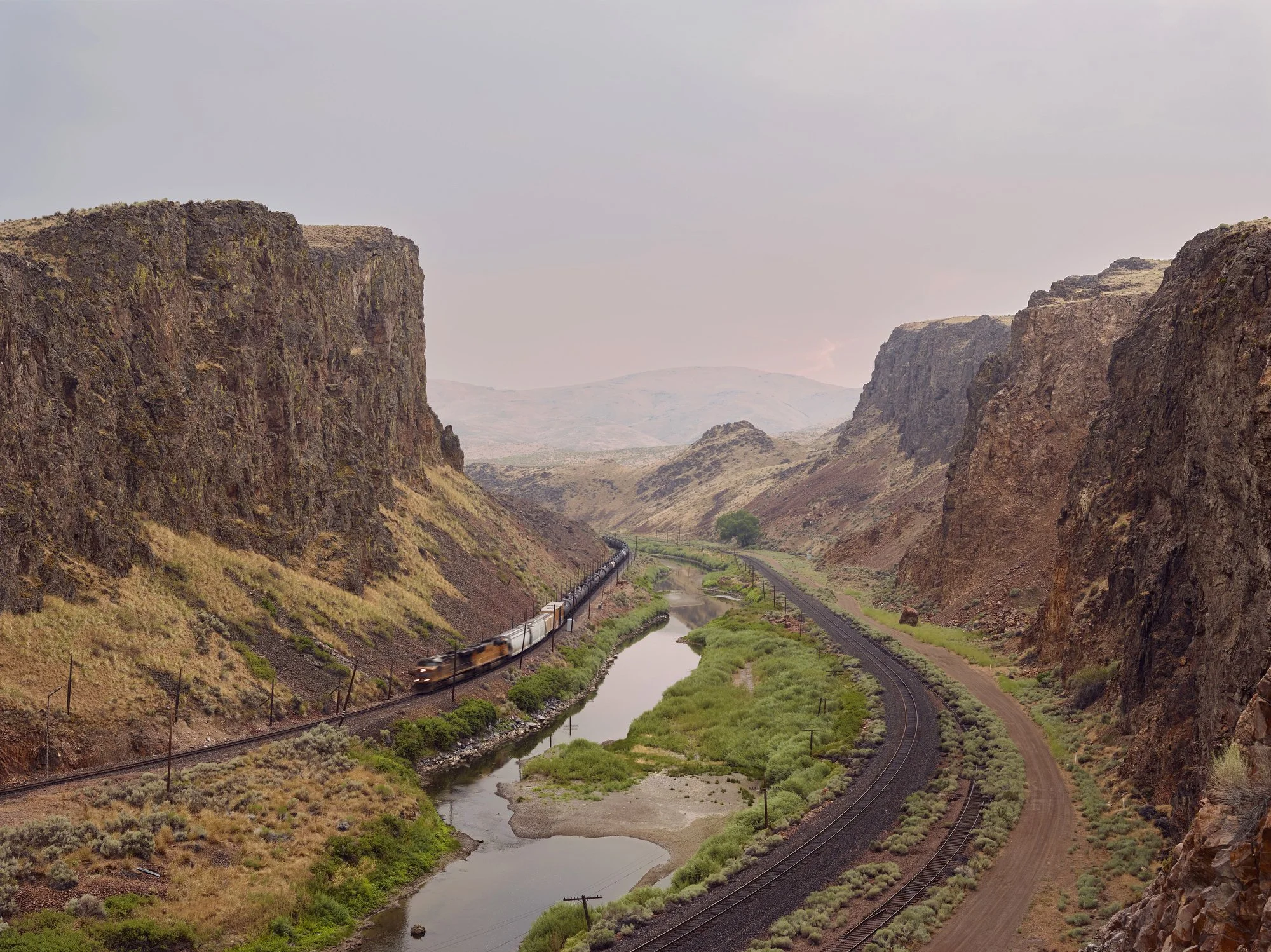
Palisade Canyon, Palisade, NV
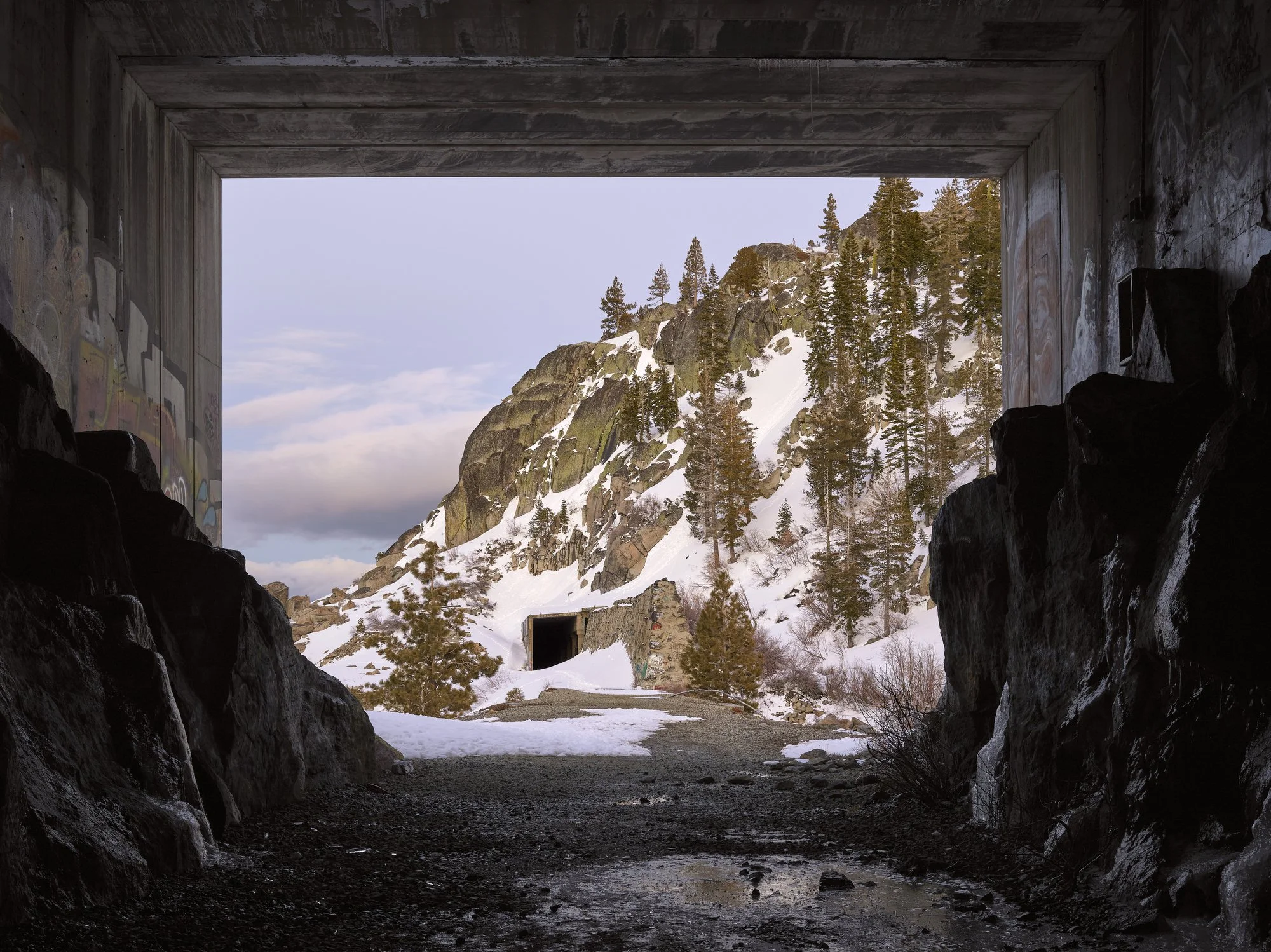
Tunnel #8, Truckee, CA
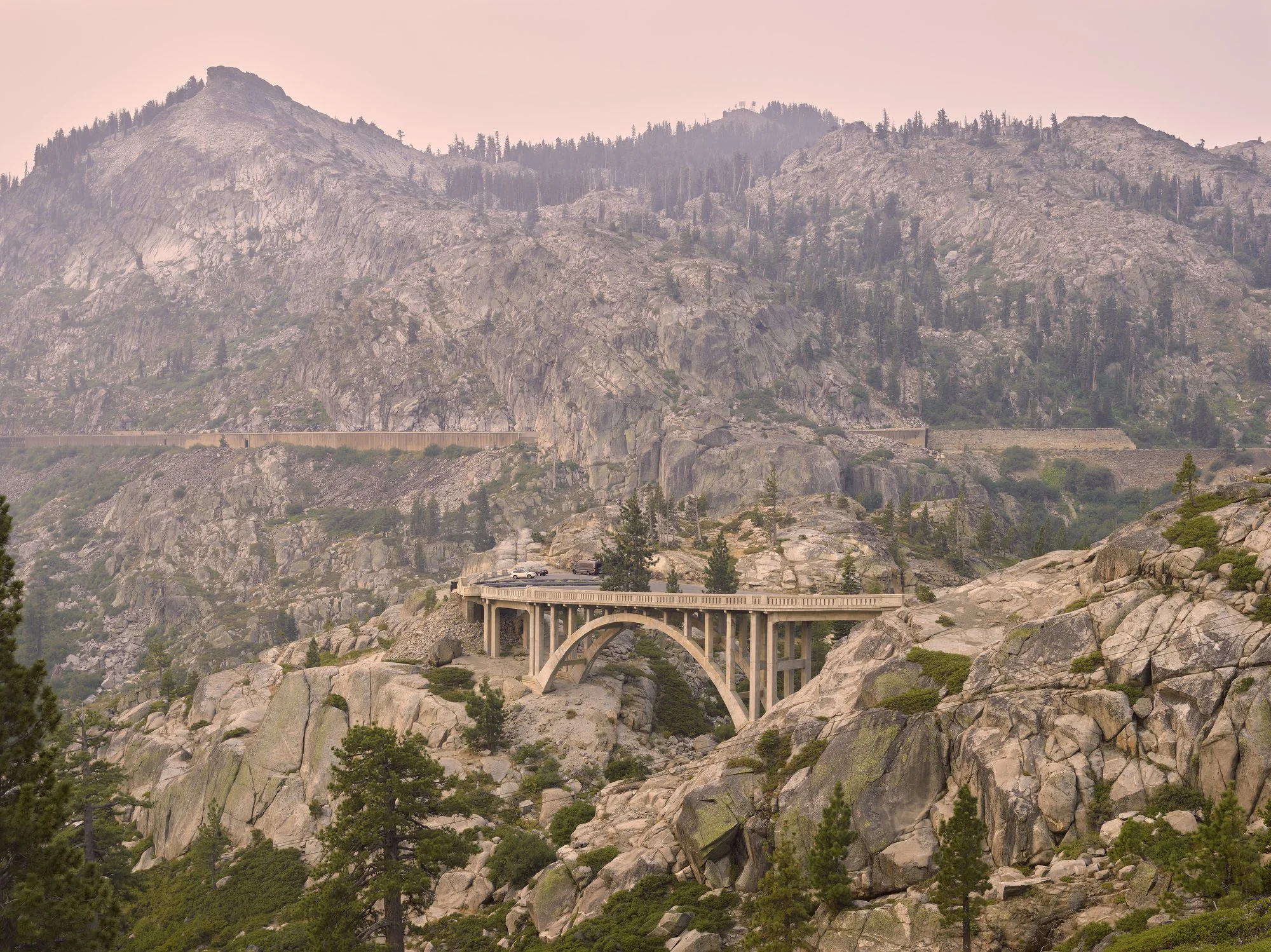
Donner Pass, Truckee, CA
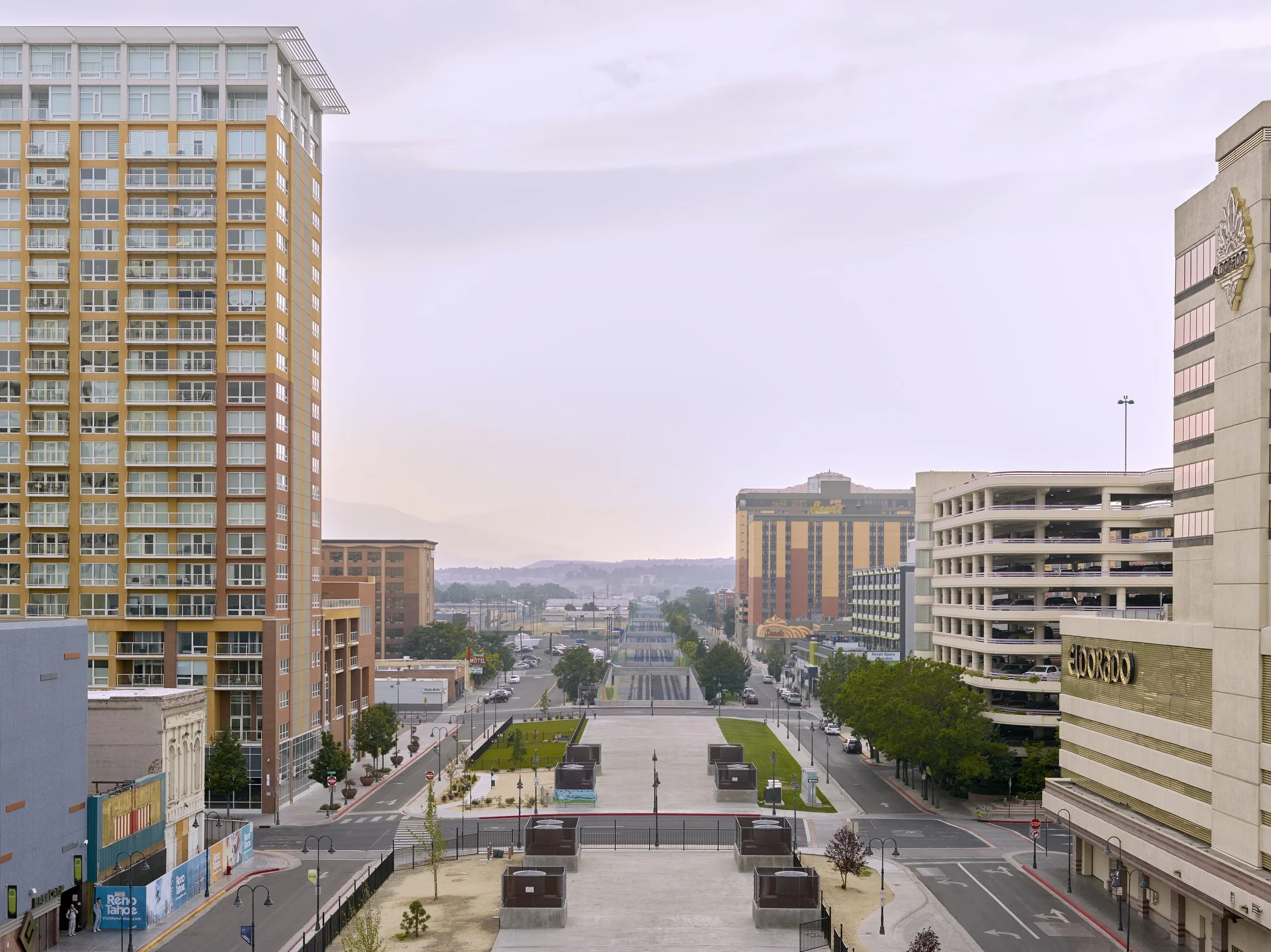
Train Trench Cover, Reno, NV
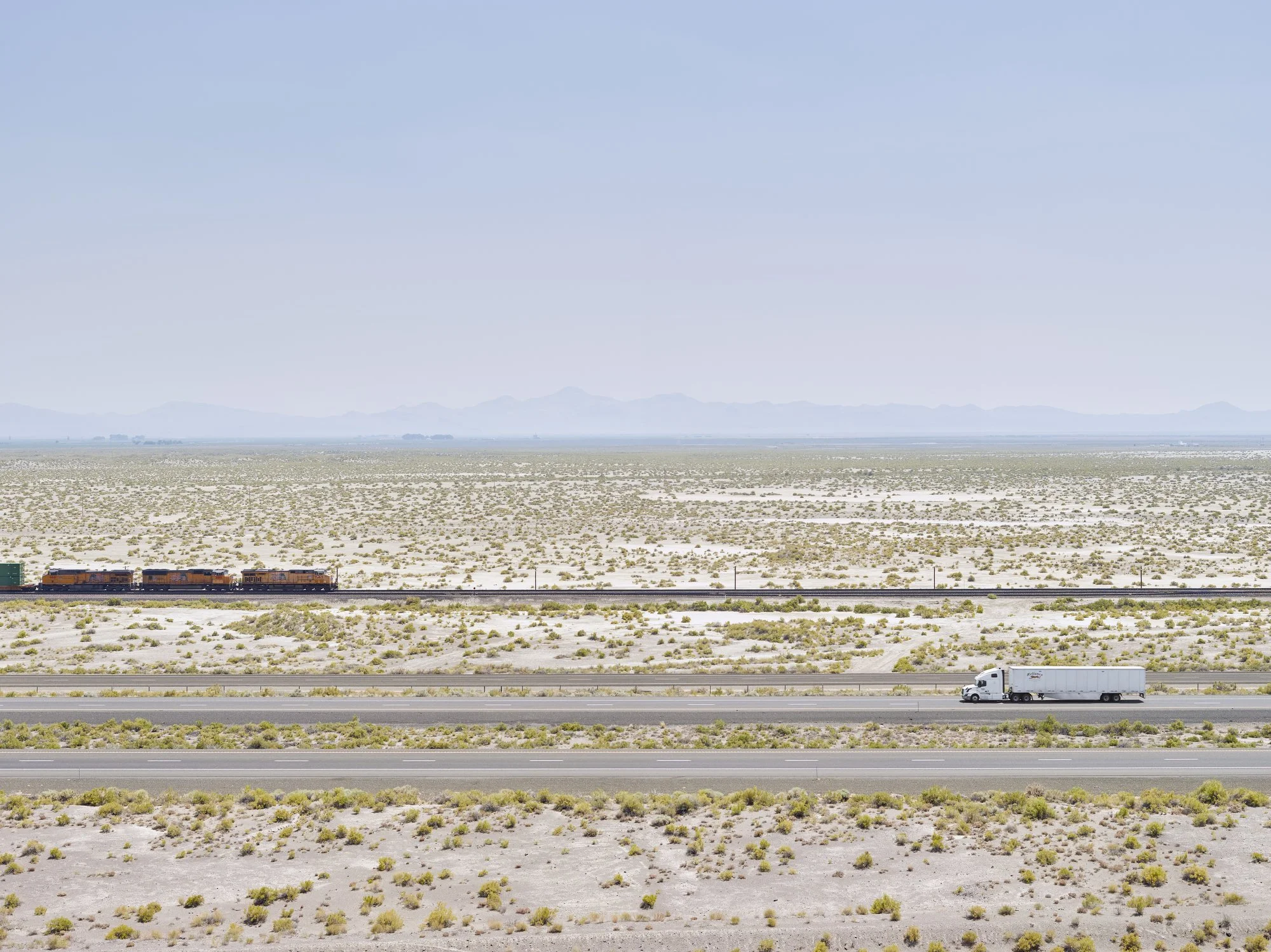
I-80, Lovelock, NV
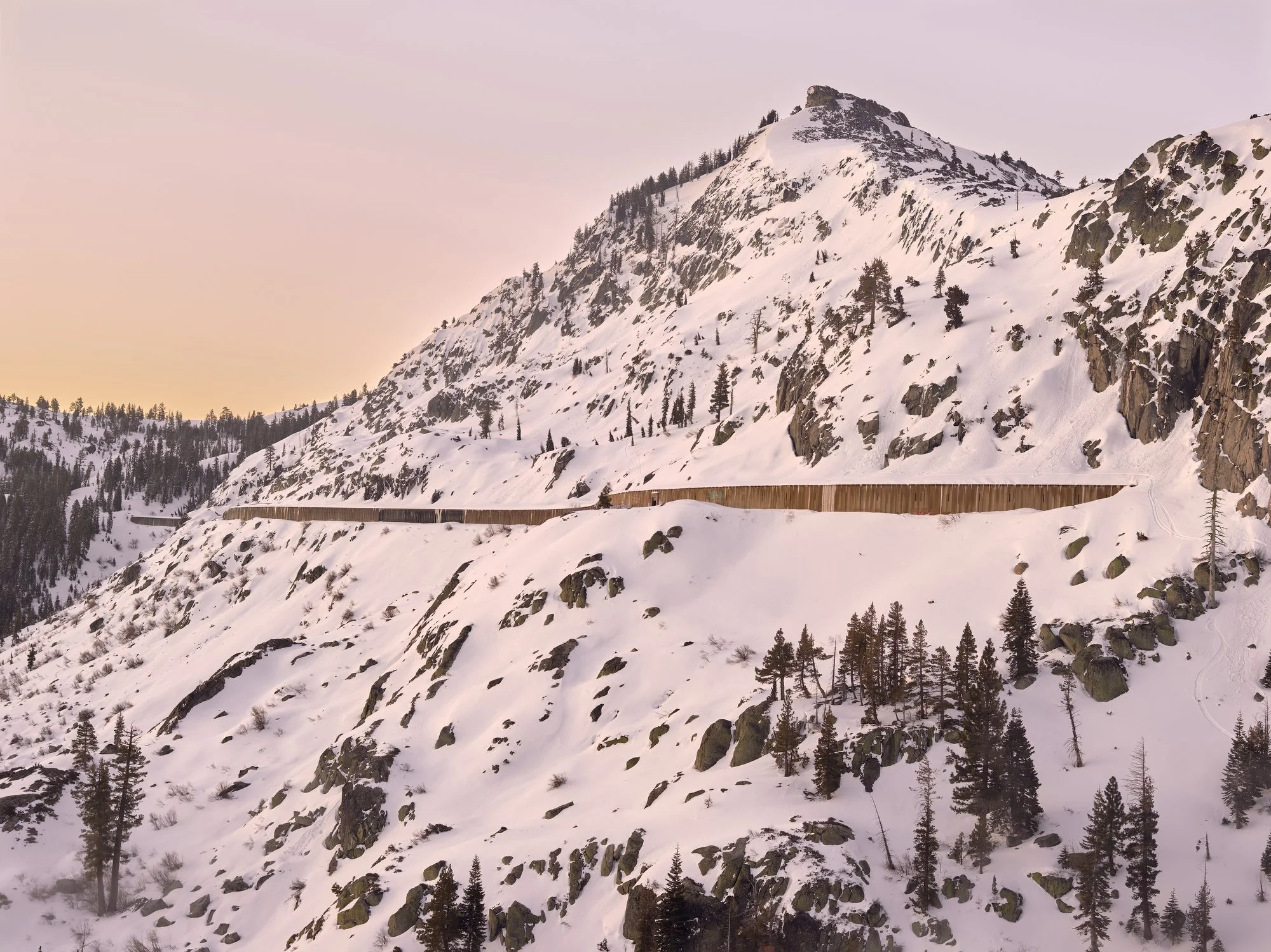
Snowsheds, Truckee, CA
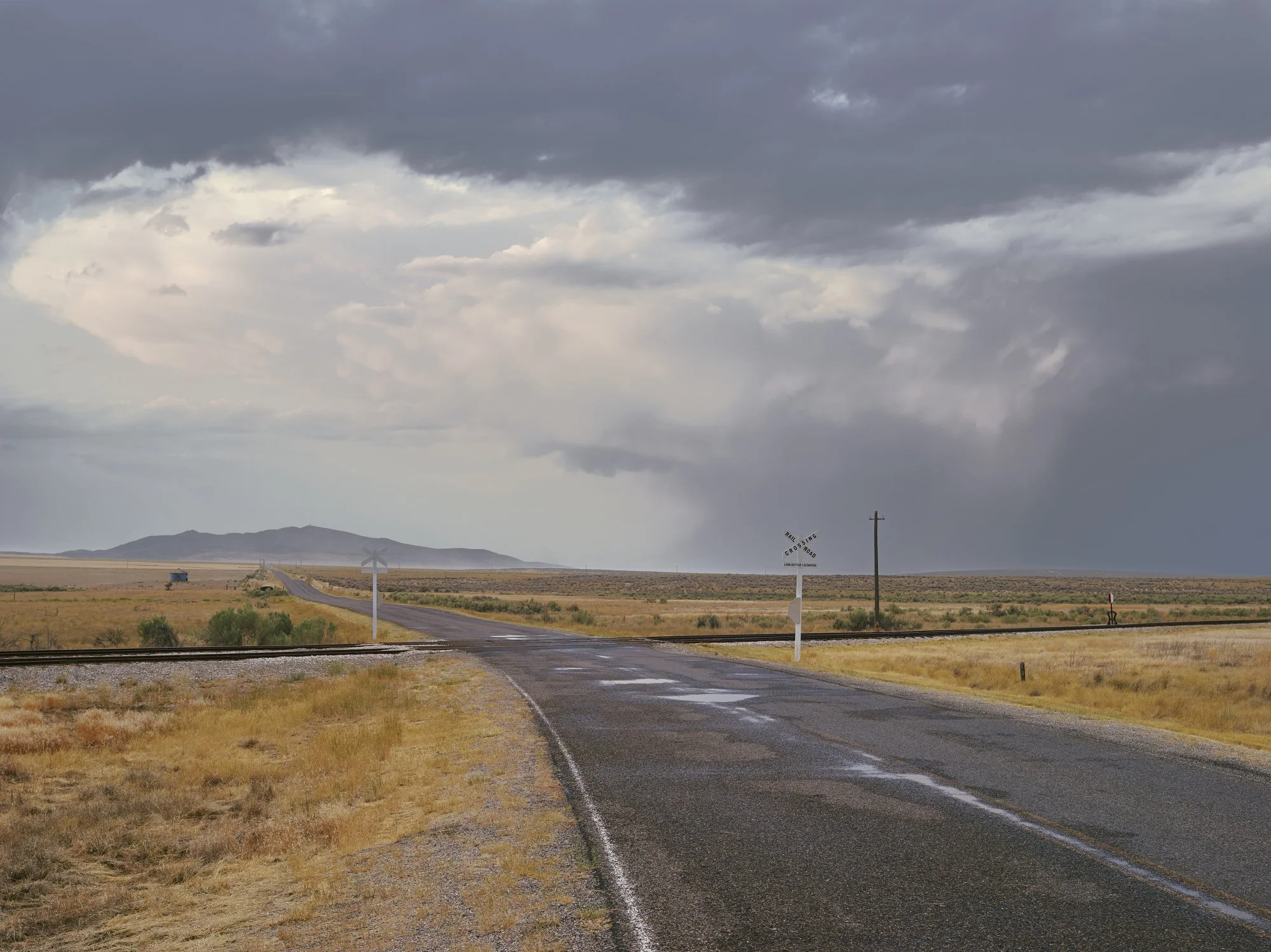
Railroad Crossing, Promontory, UT

Sandstorm and Wild Horses, Clark, NV
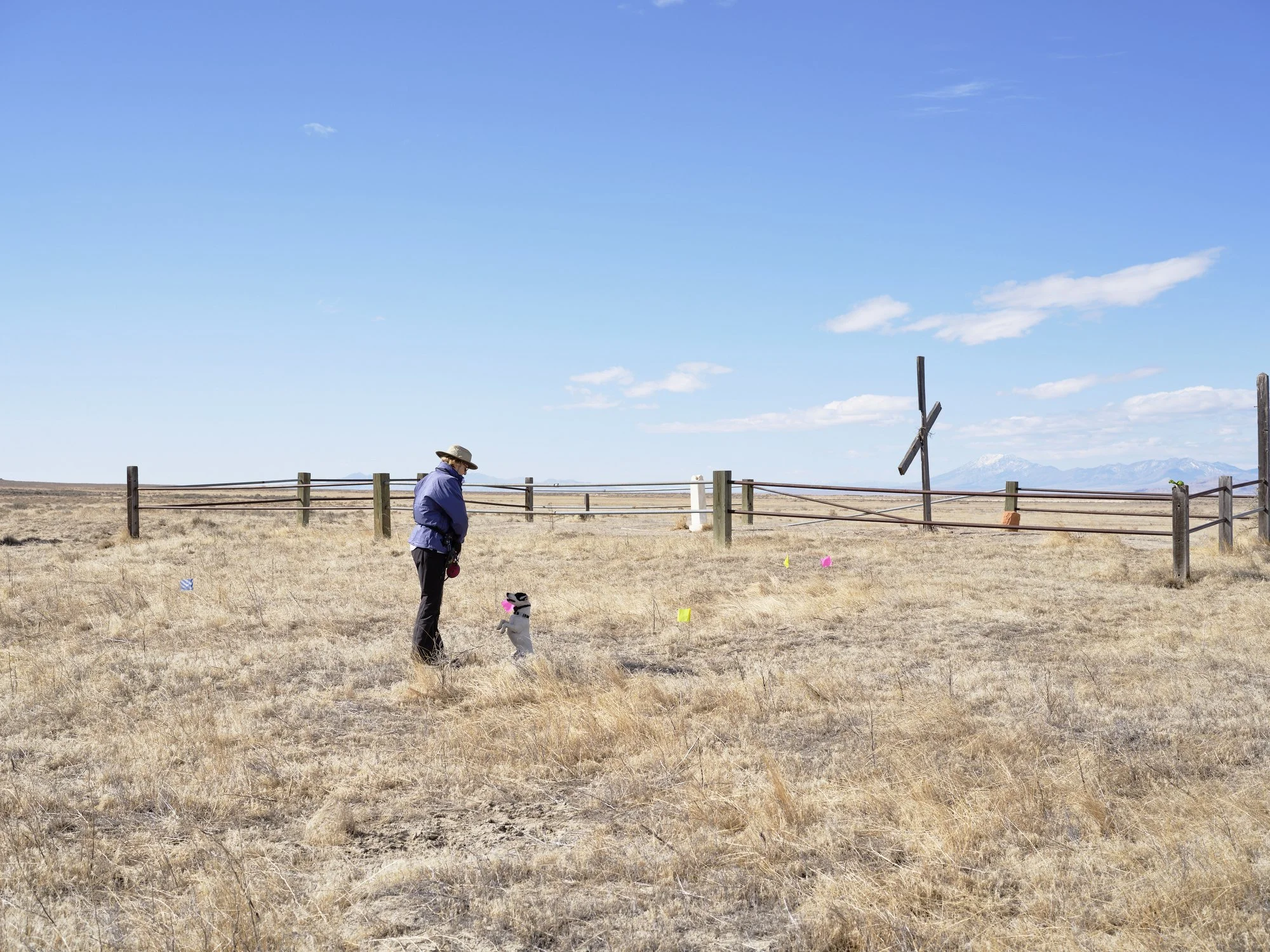
Canine forensics team search for remains of Chinese railroad workers, Terrace, UT

Catfish Pond, Truckee, CA
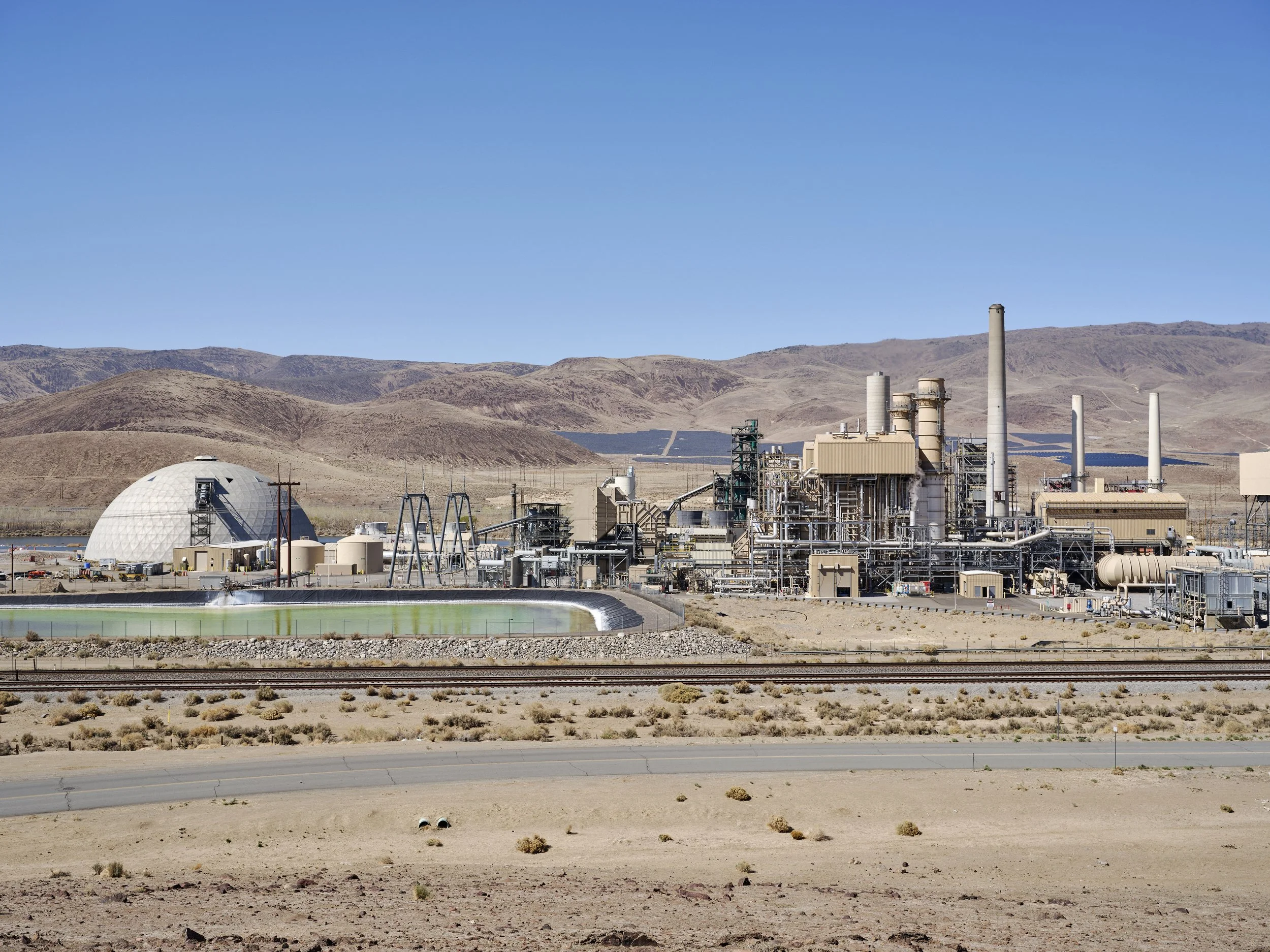
Generating Station, McCarran, NV
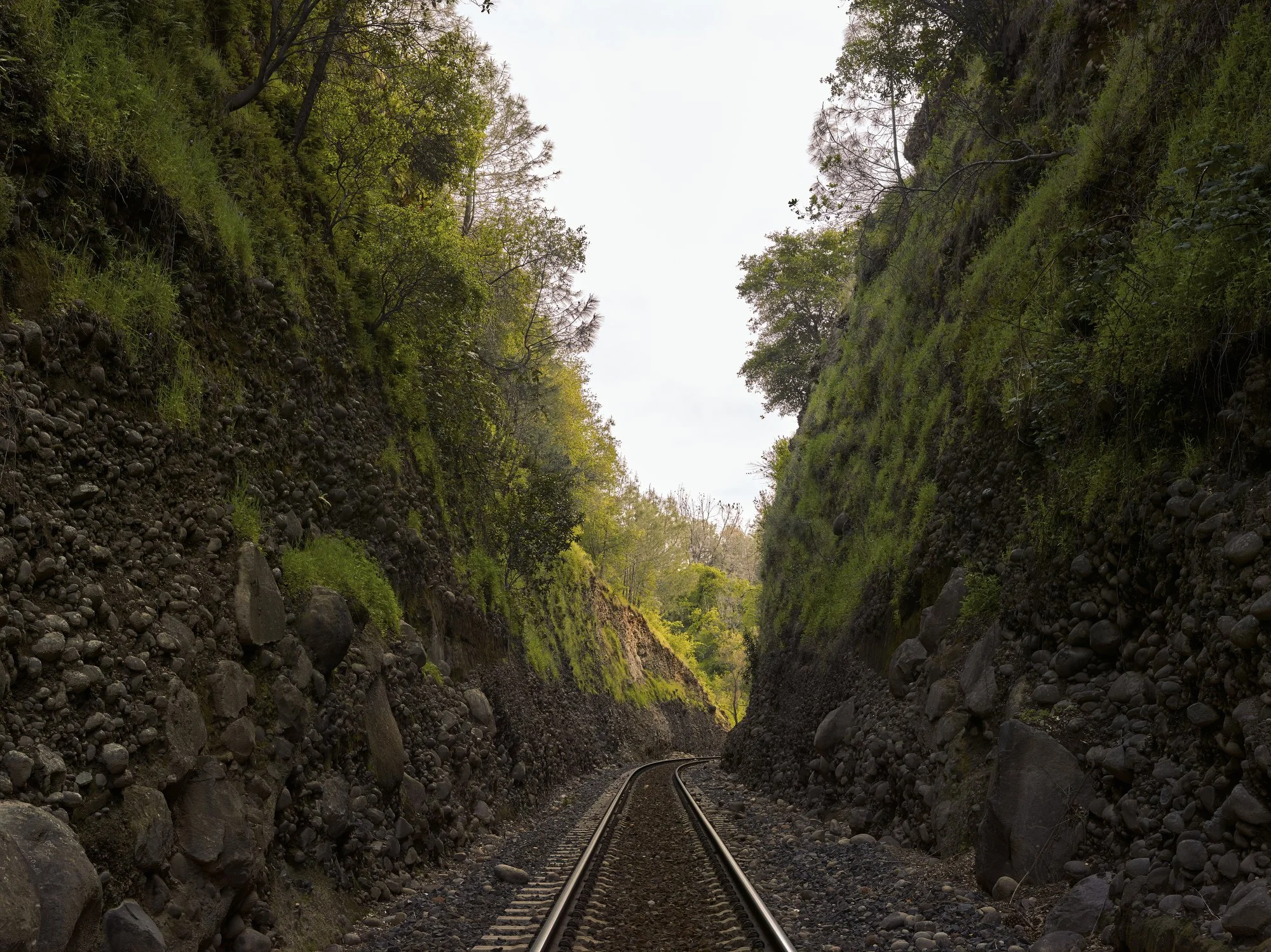
Bloomer Cut, Auburn, CA
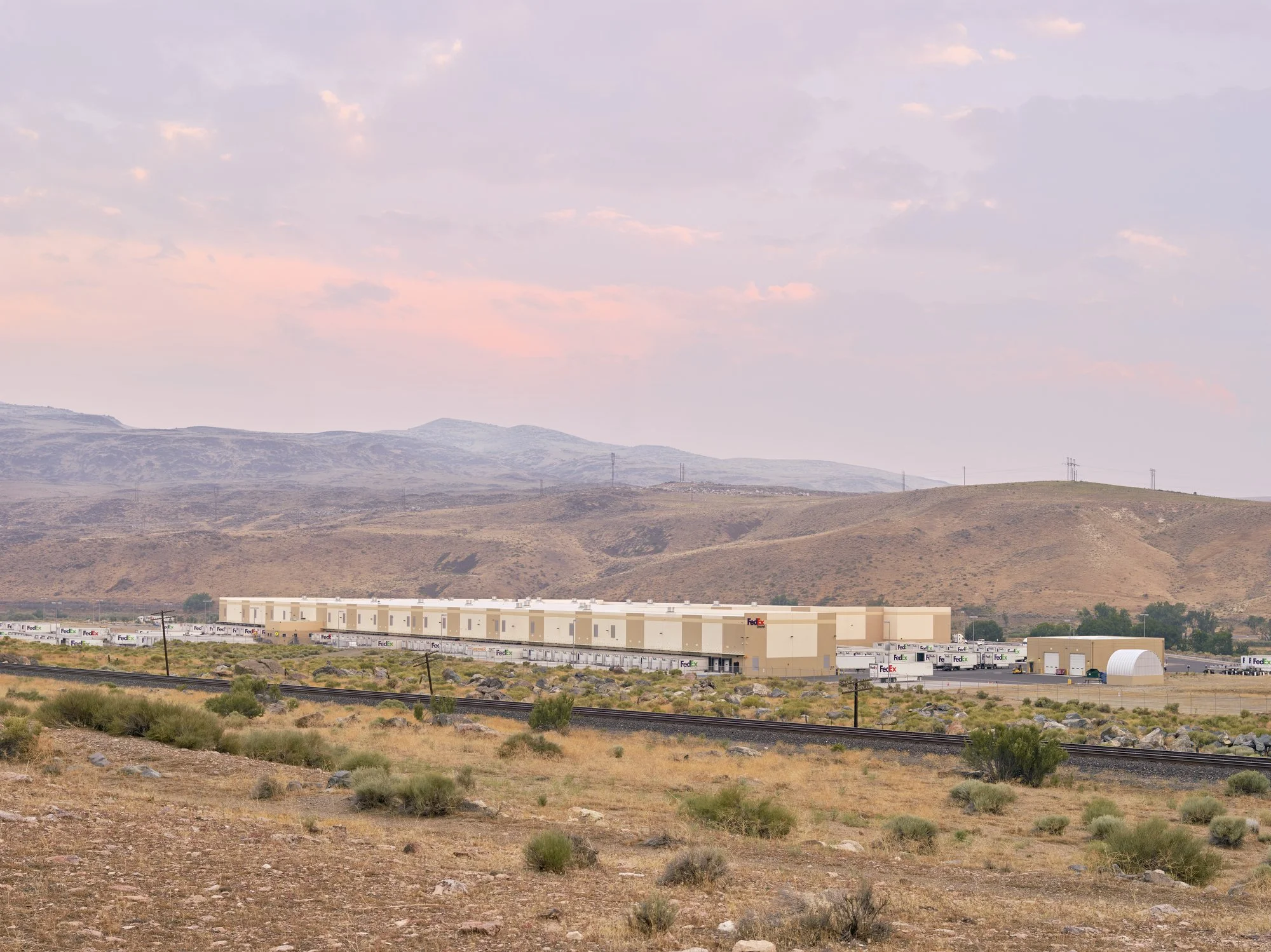
FedEx Ground, Lockwood, NV
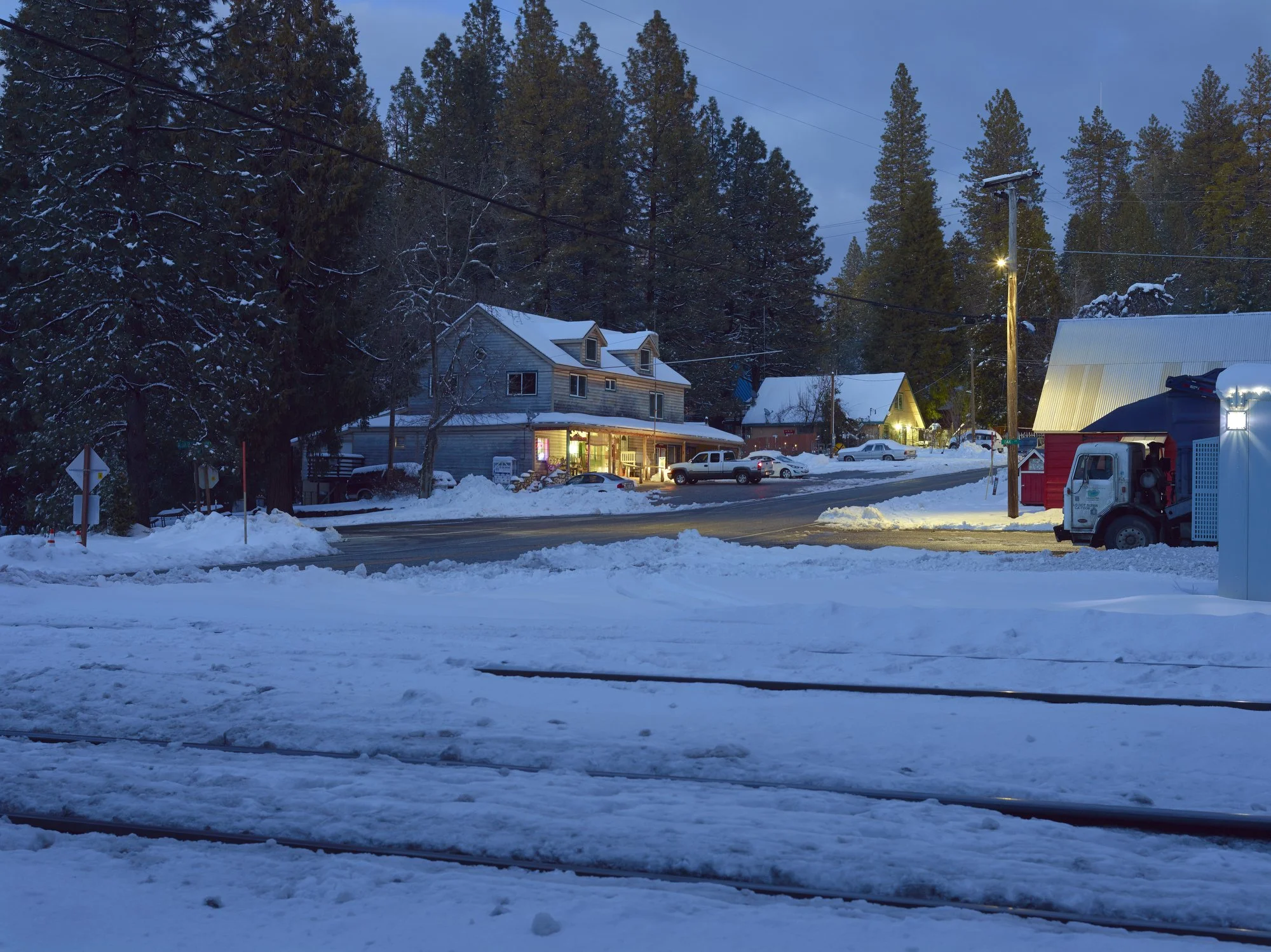
Alta Store, Alta, CA
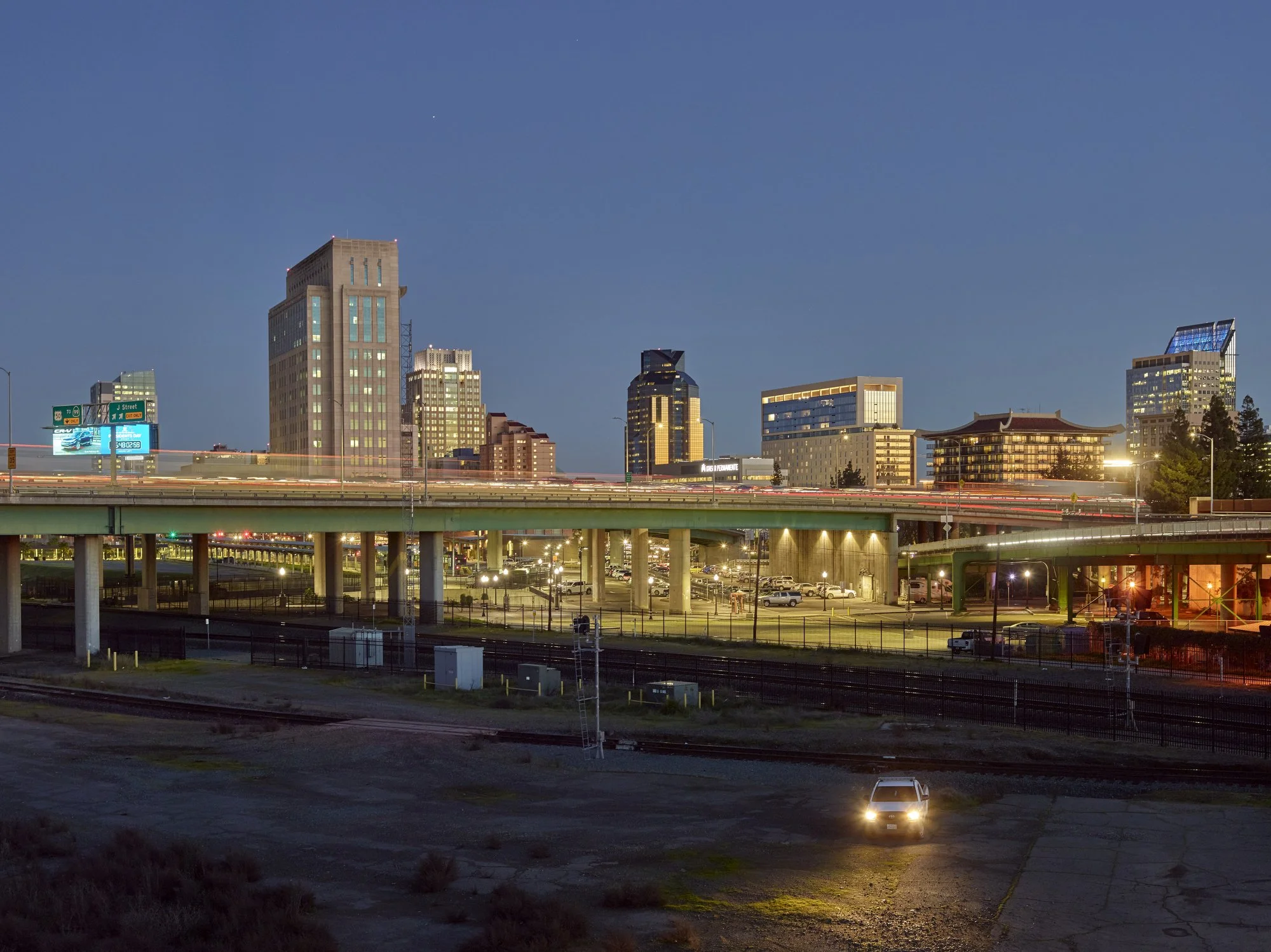
Downtown Sacramento, Sacramento, CA
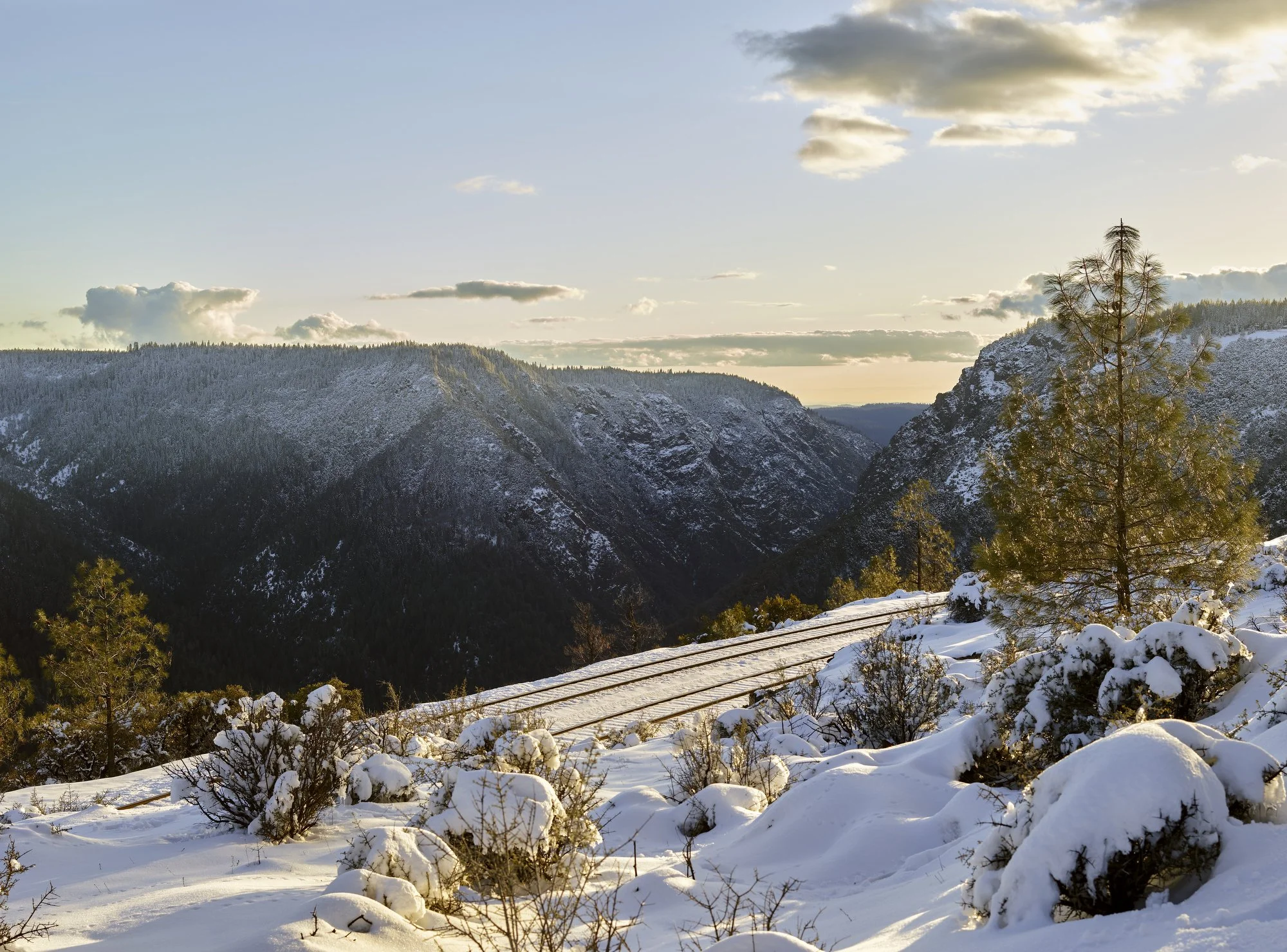
Sierra Nevada Mountains, Alta, CA
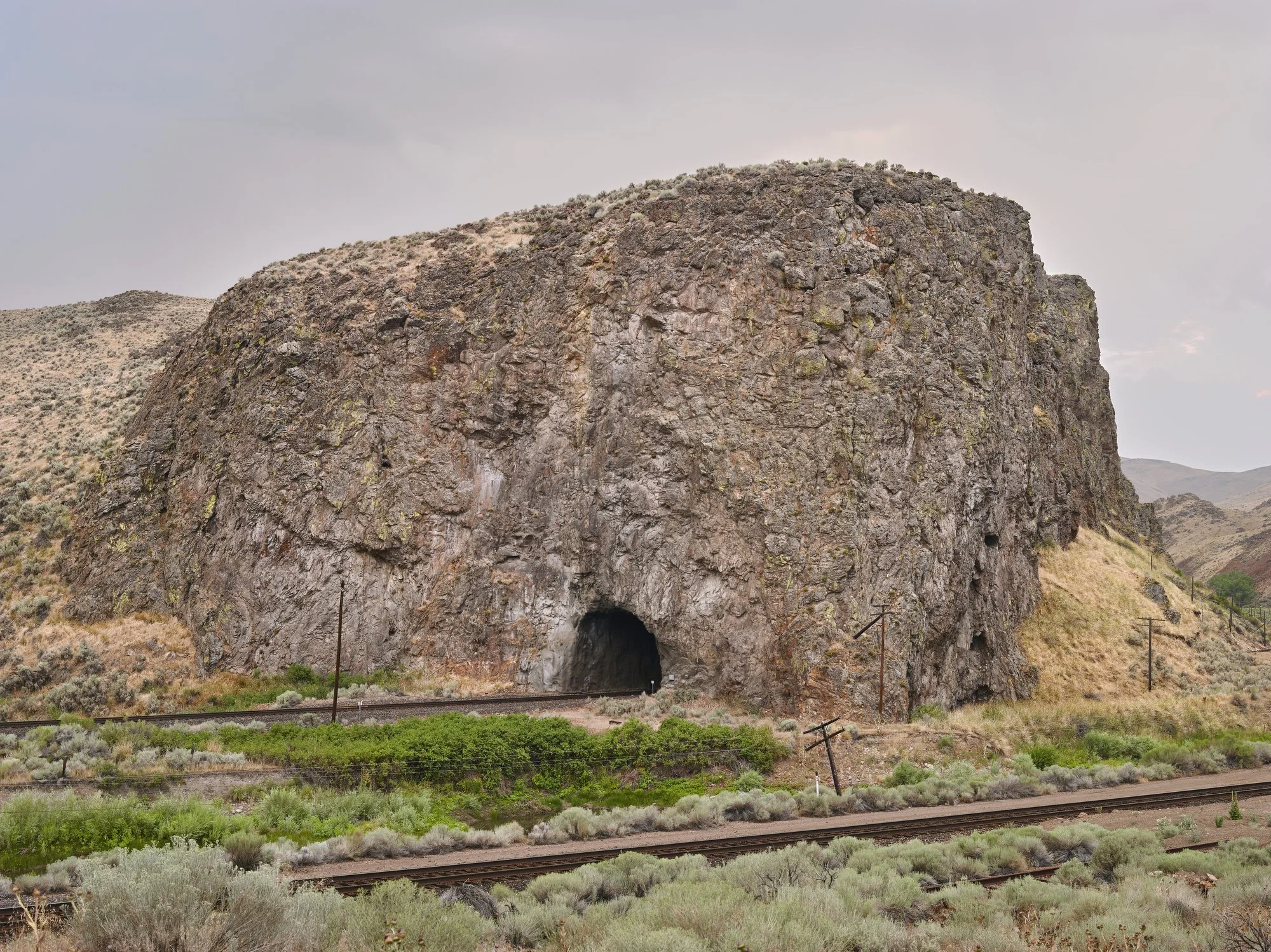
Tunnel, Palisade, NV
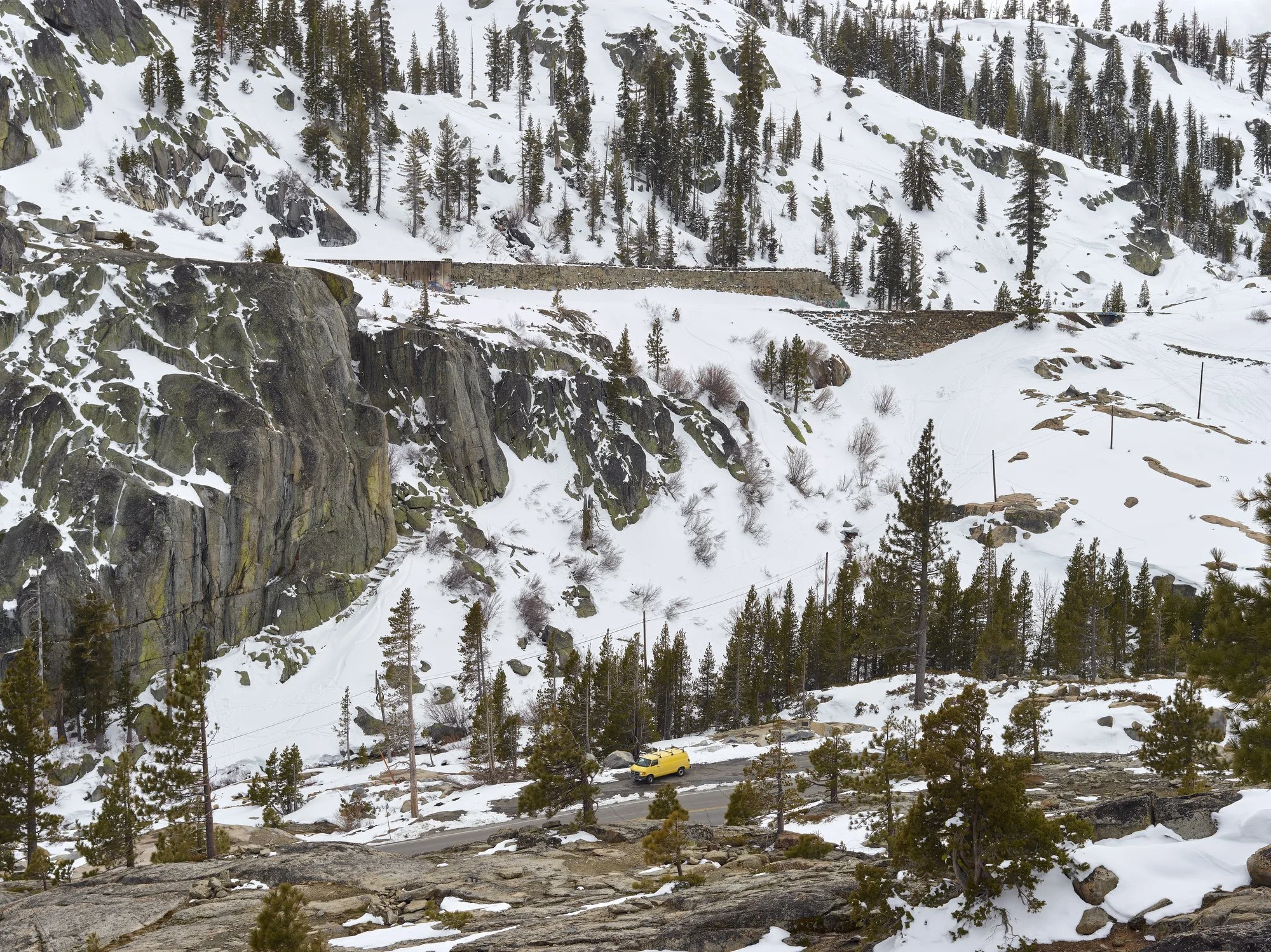
Chinese Wall and Tunnel #8, Truckee, CA
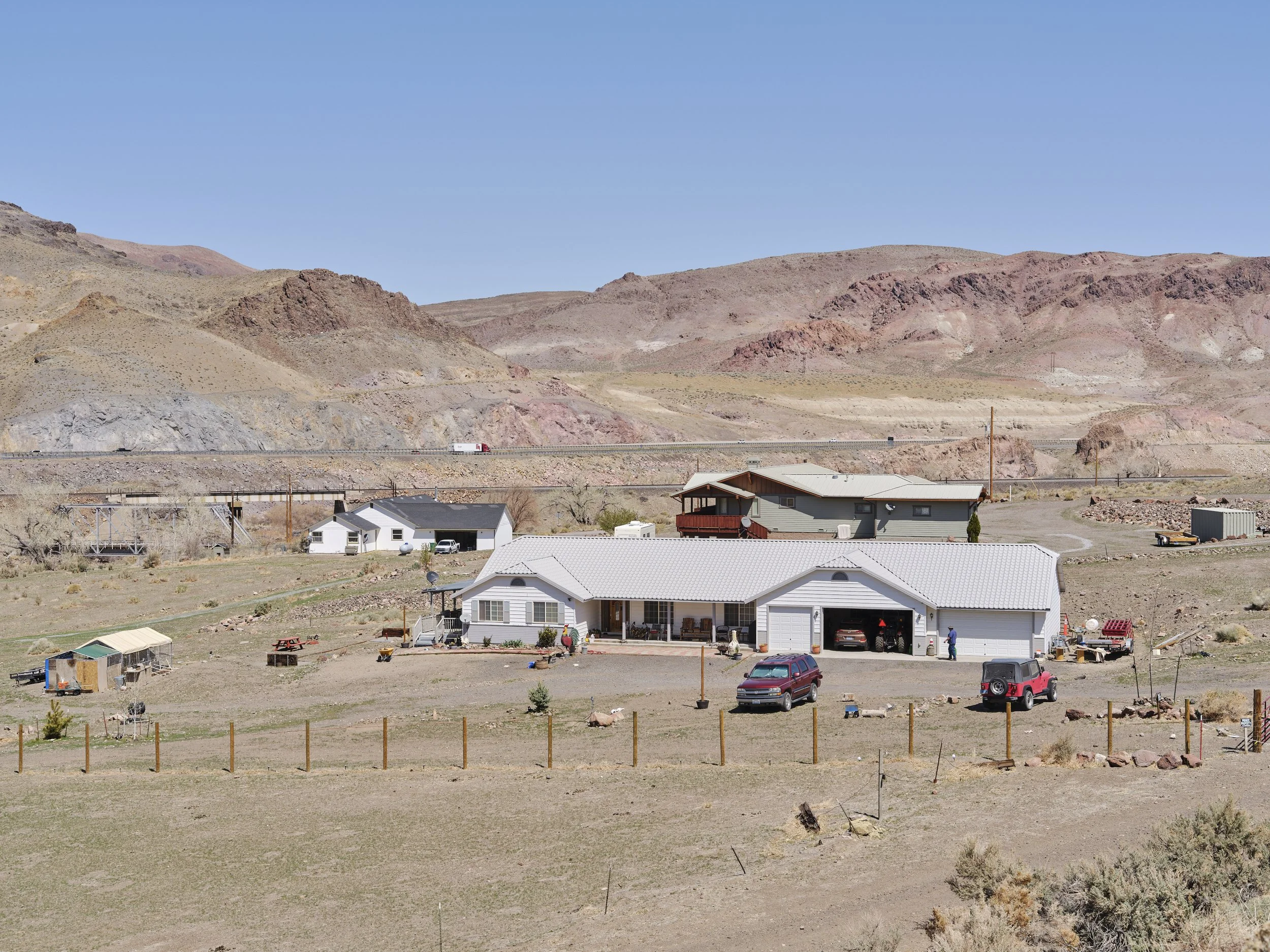
Storey County, NV
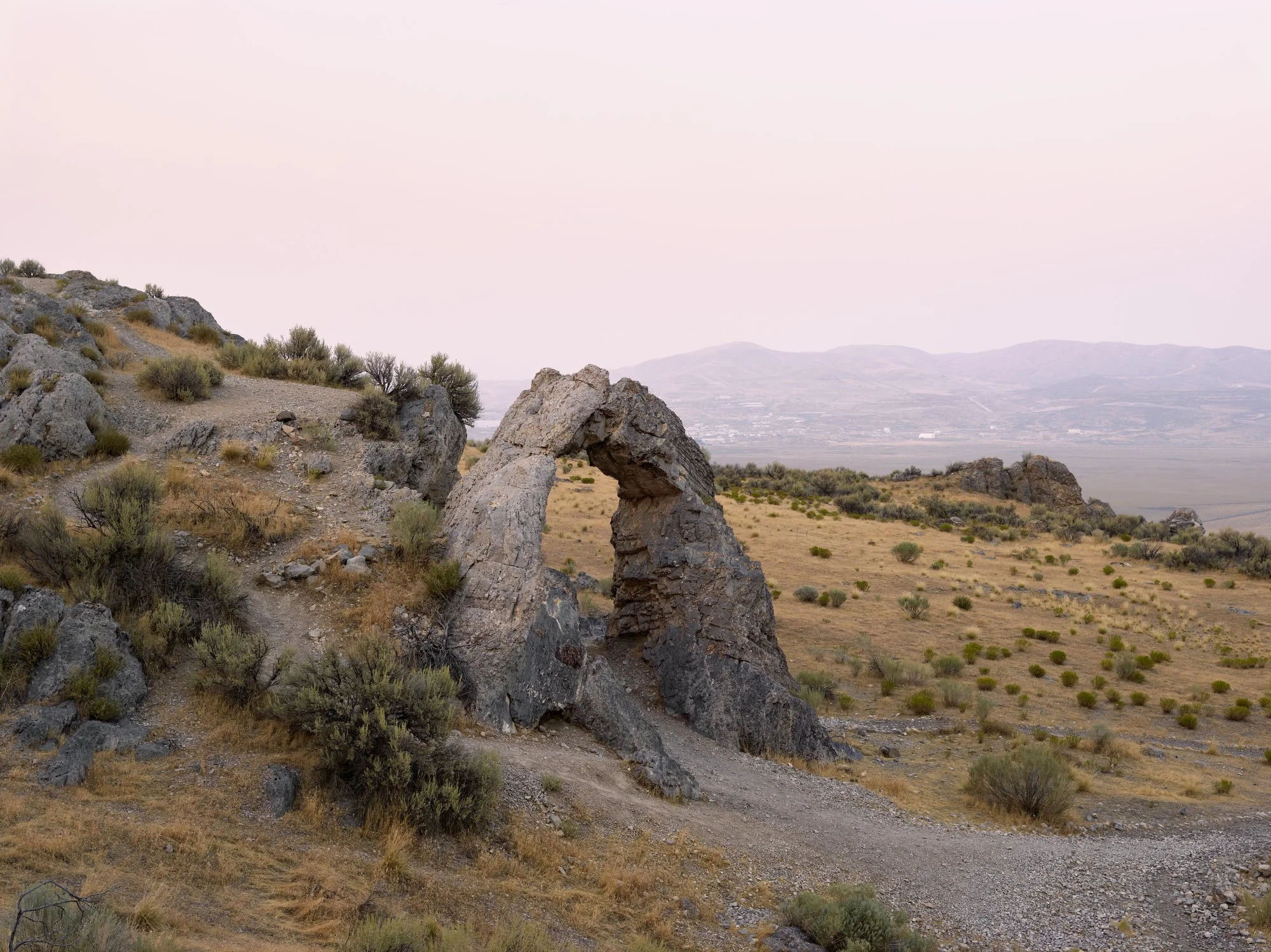
Chinese Arch, Promontory, UT
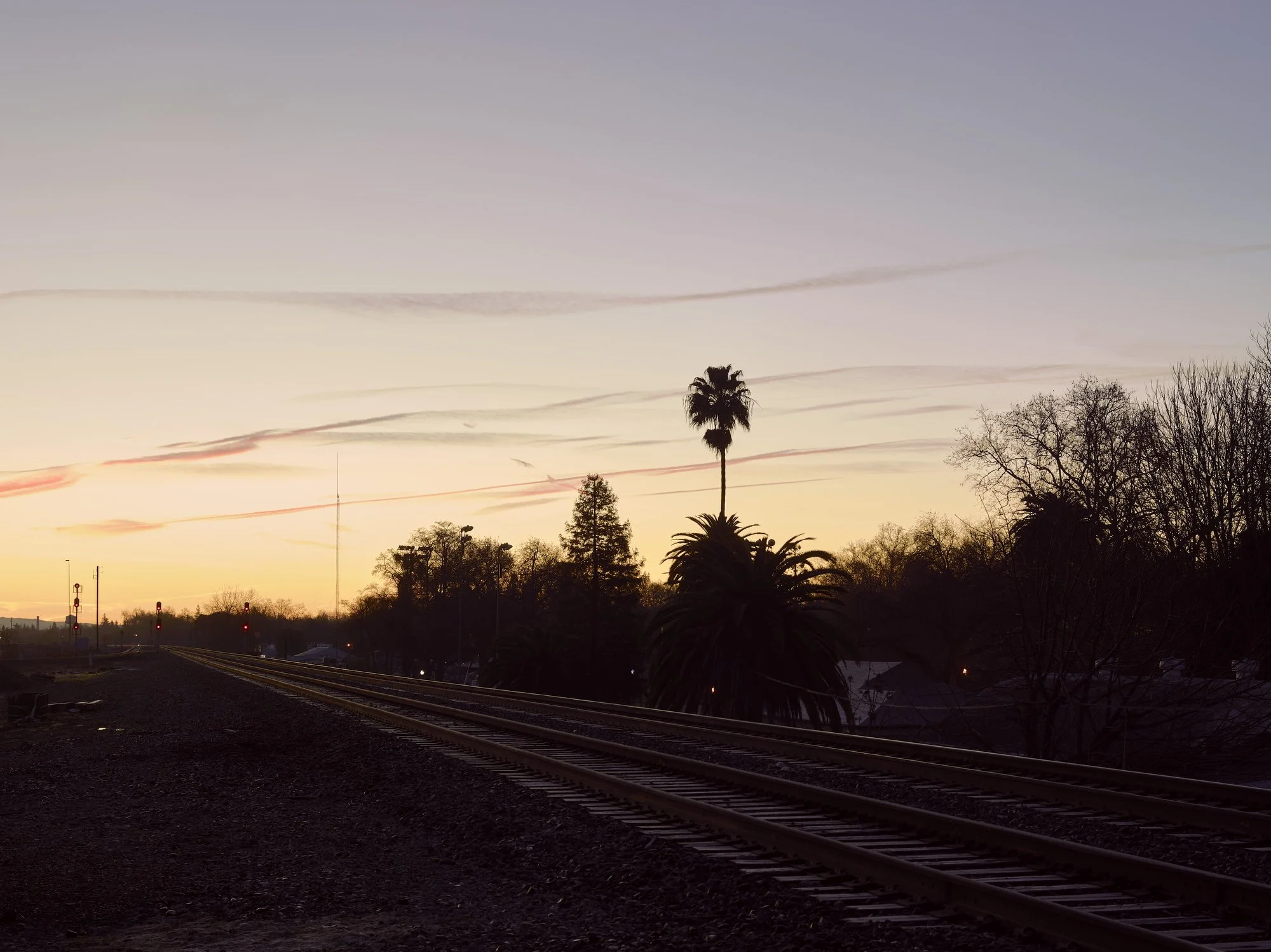
Palm Tree, Sacramento, CA
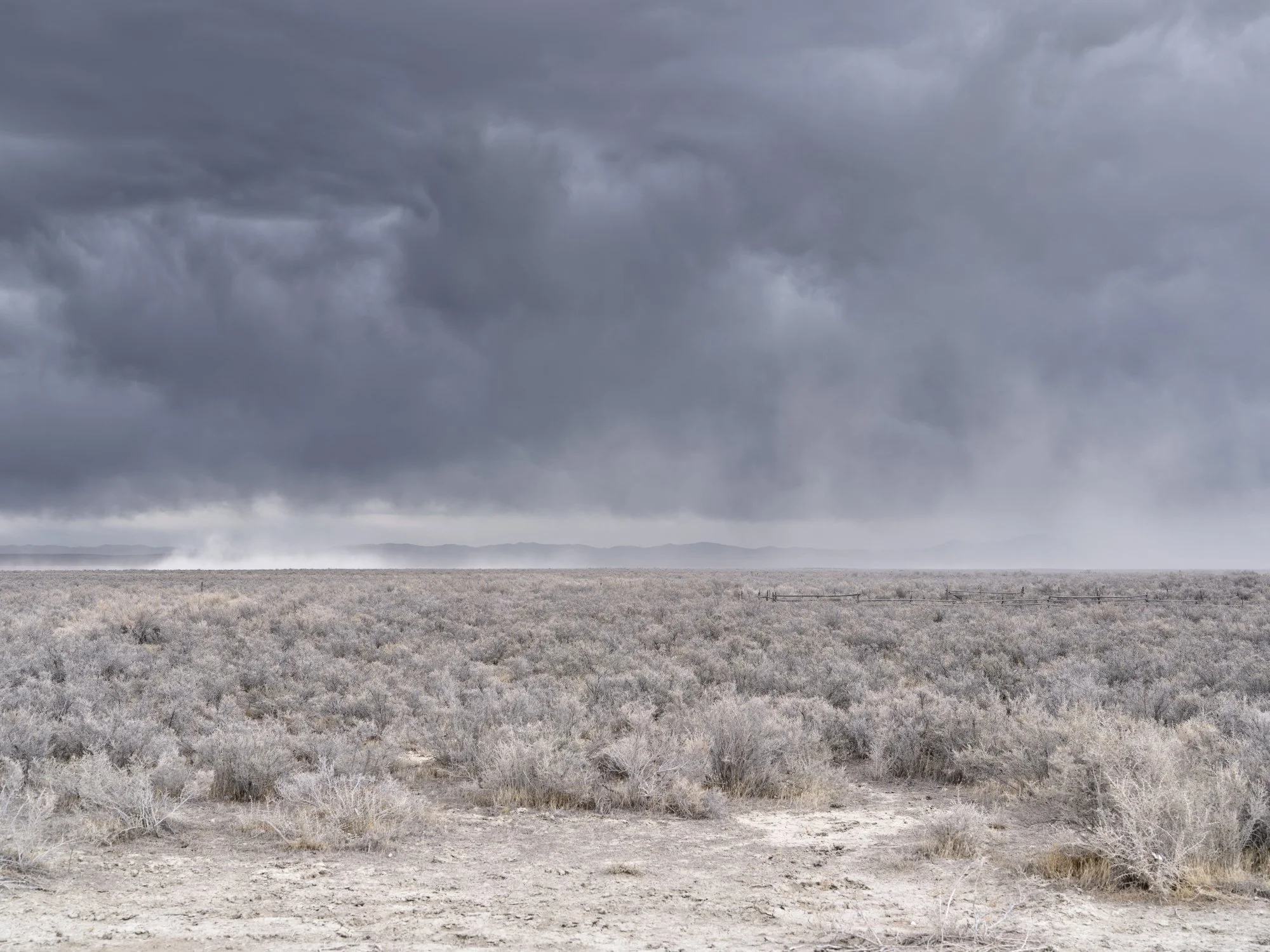
Ghost Town, Kelton, UT
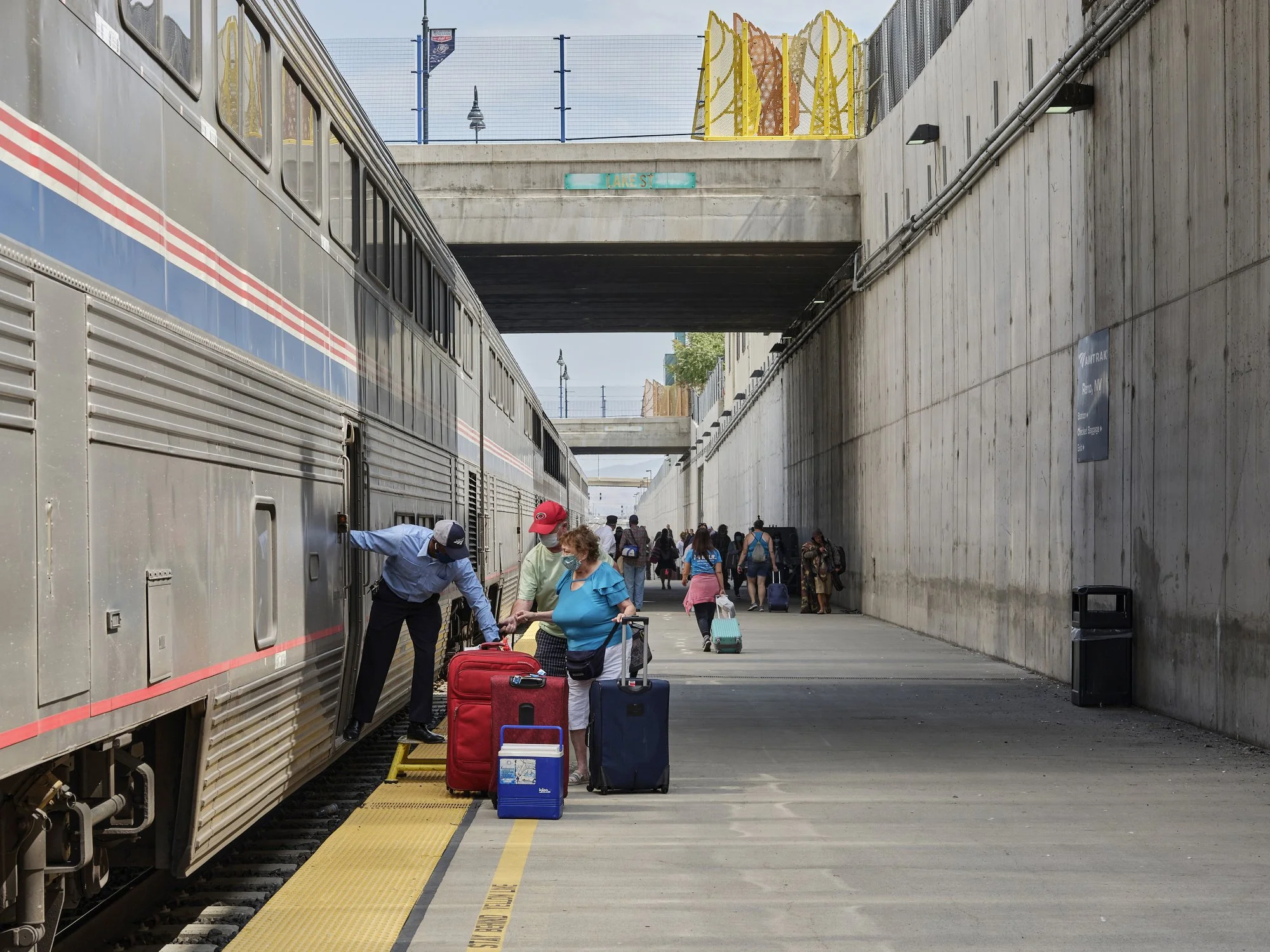
Reno Amtrak Station, Reno, NV
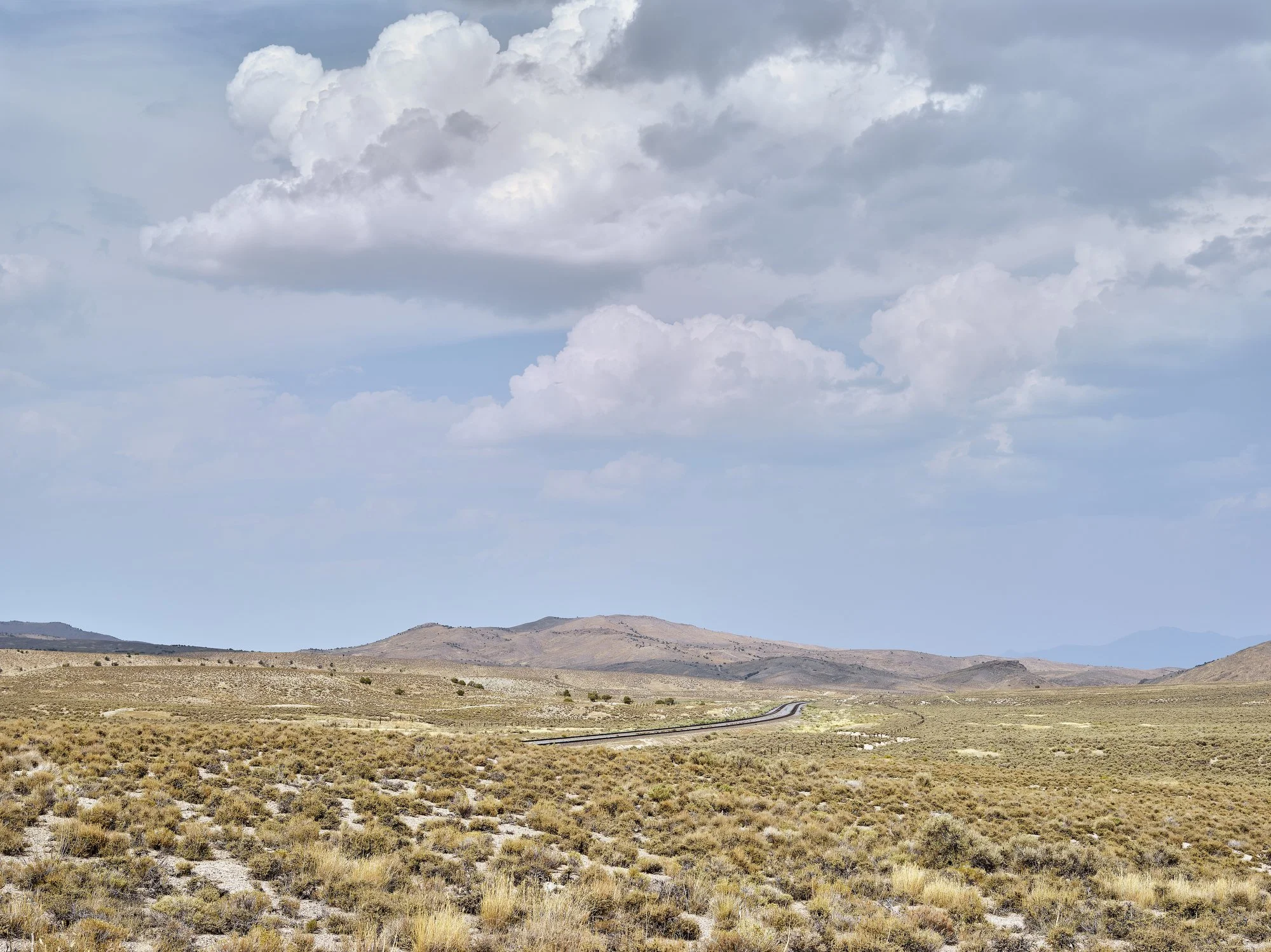
Loray, NV
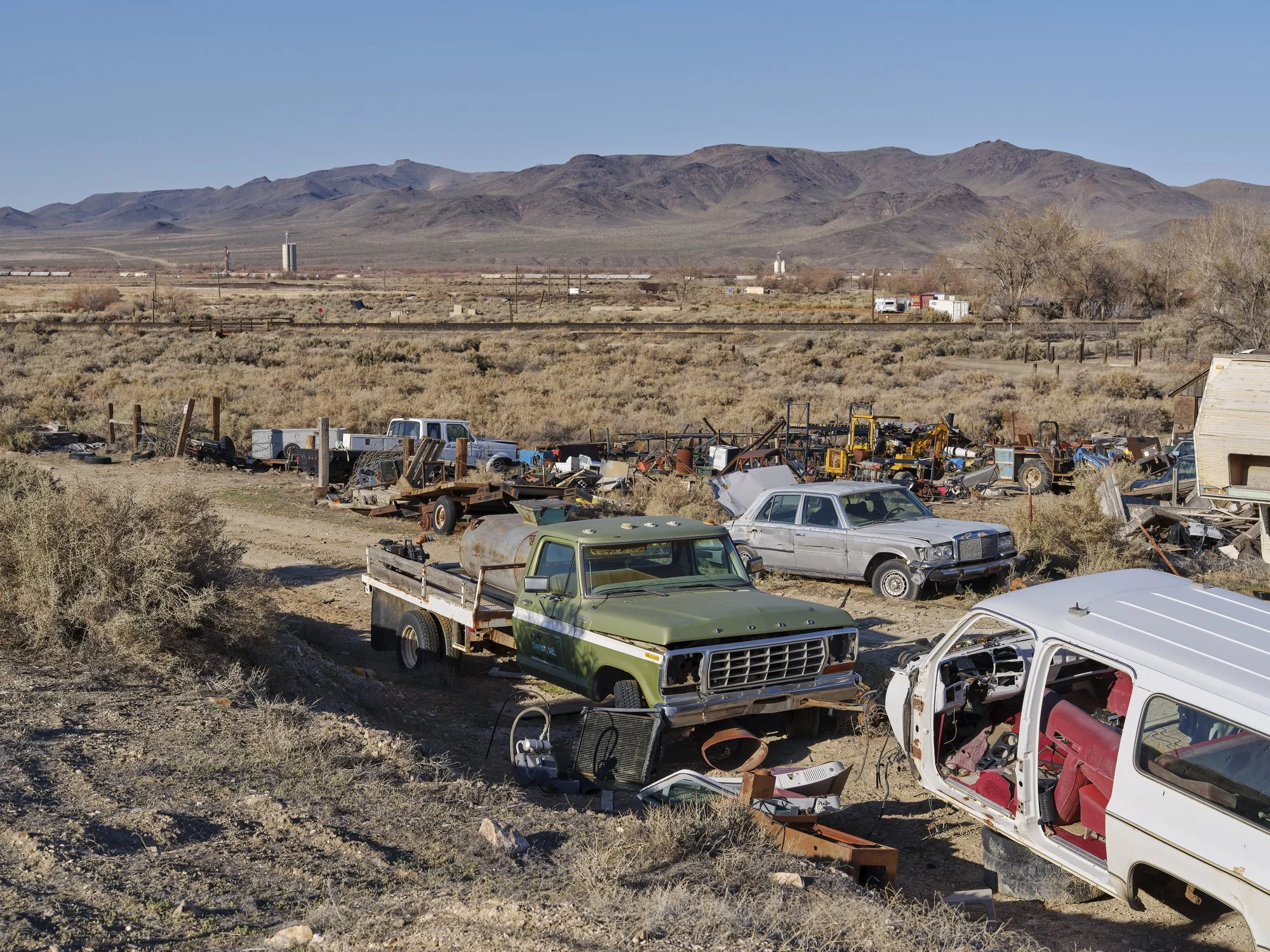
Junk Yard, Golconda, NV
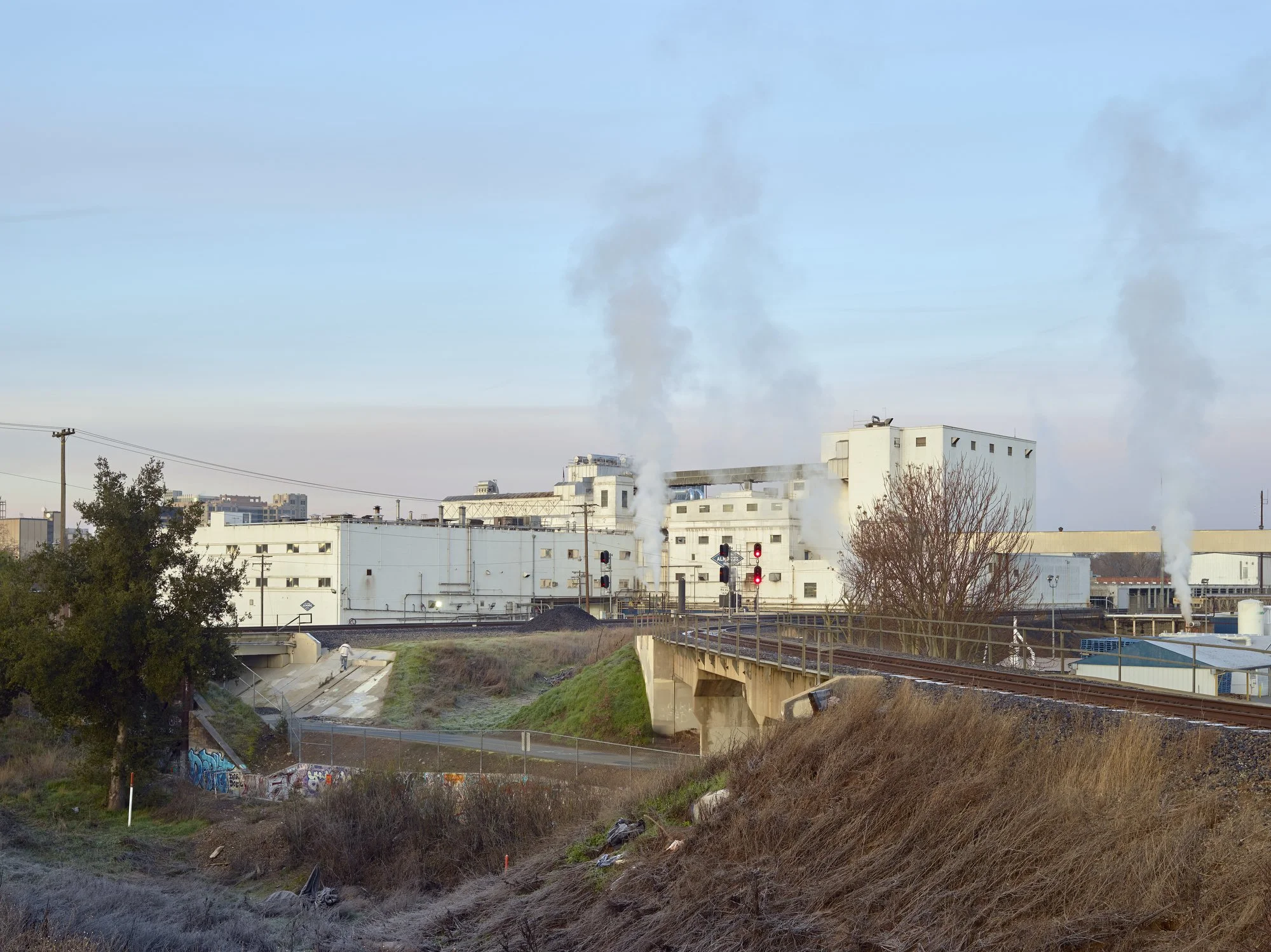
Blue Diamond, Sacramento, CA
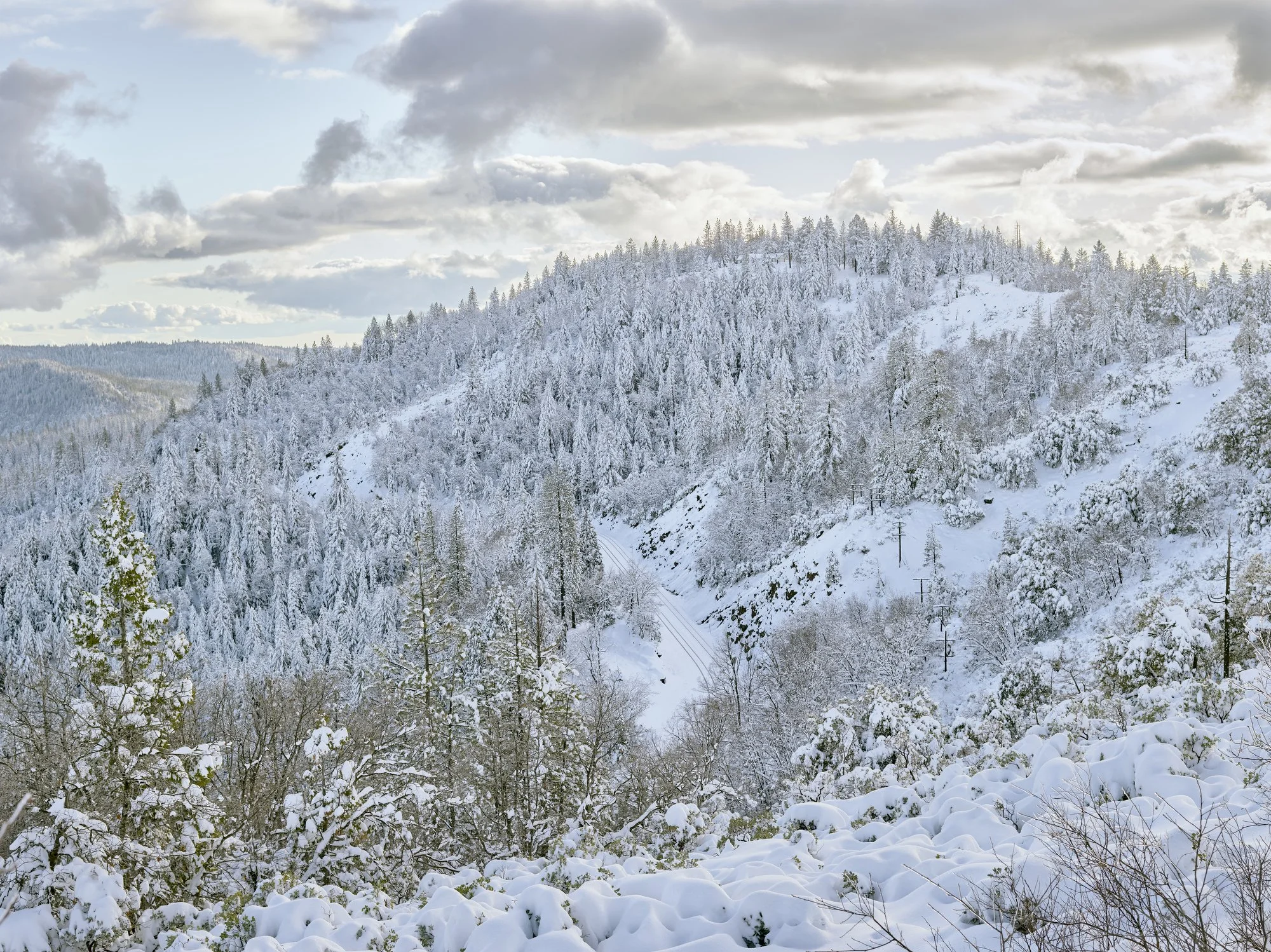
Sierra View, Alta, CA
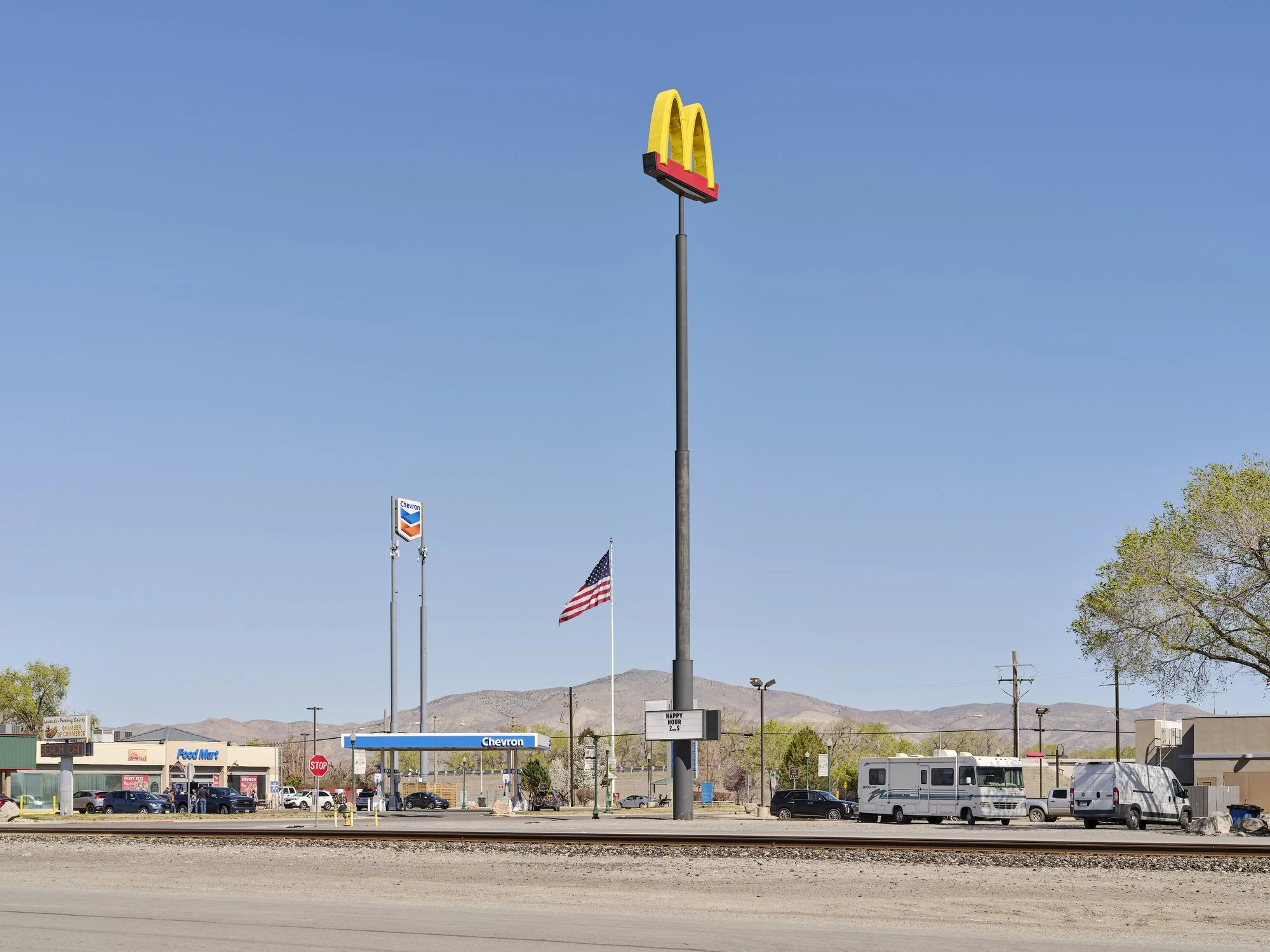
Rest Stop, Lovelock, NV
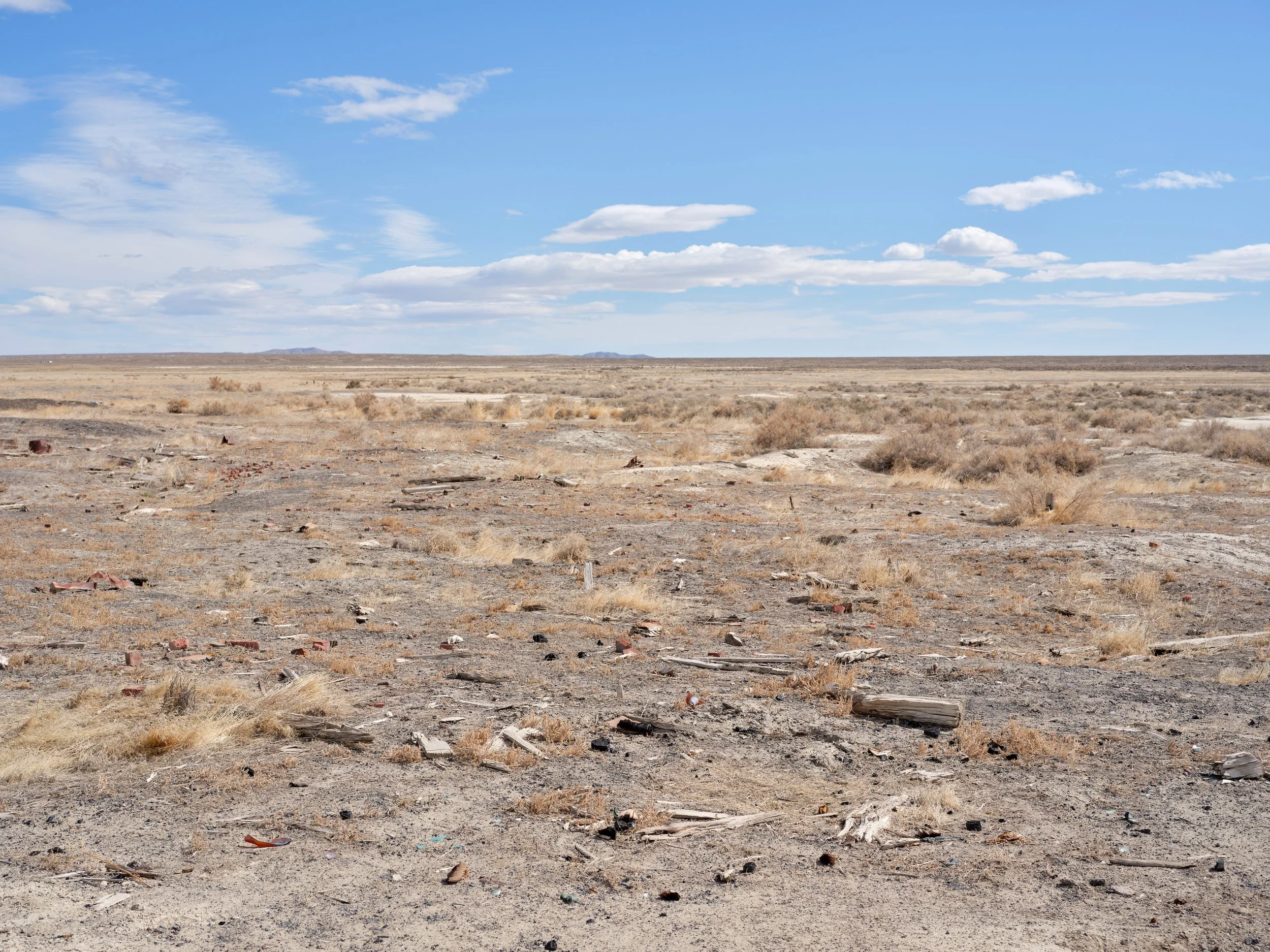
Remnants of Chinatown, Terrace, UT
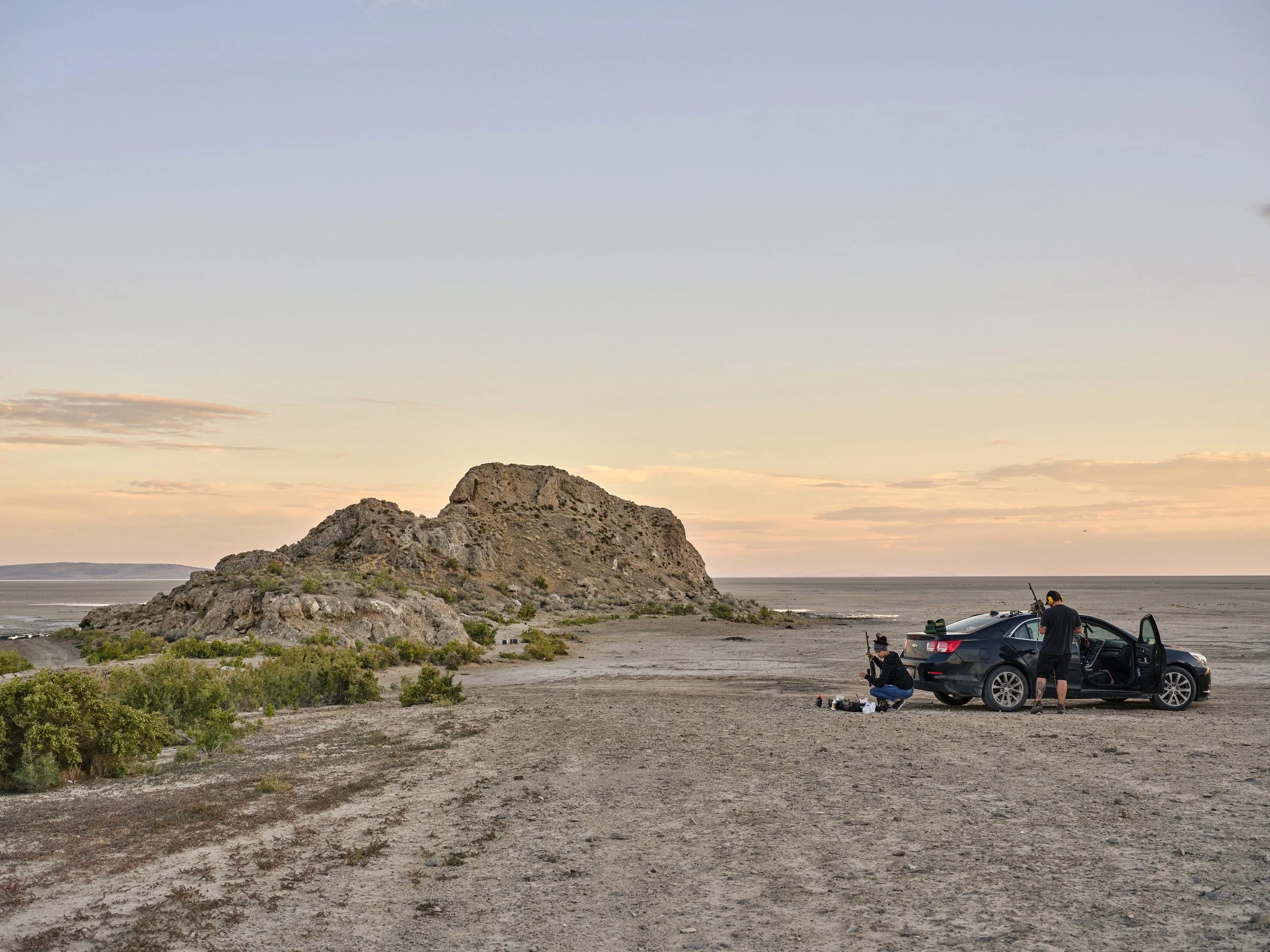
Target Practice, Monument Point, UT
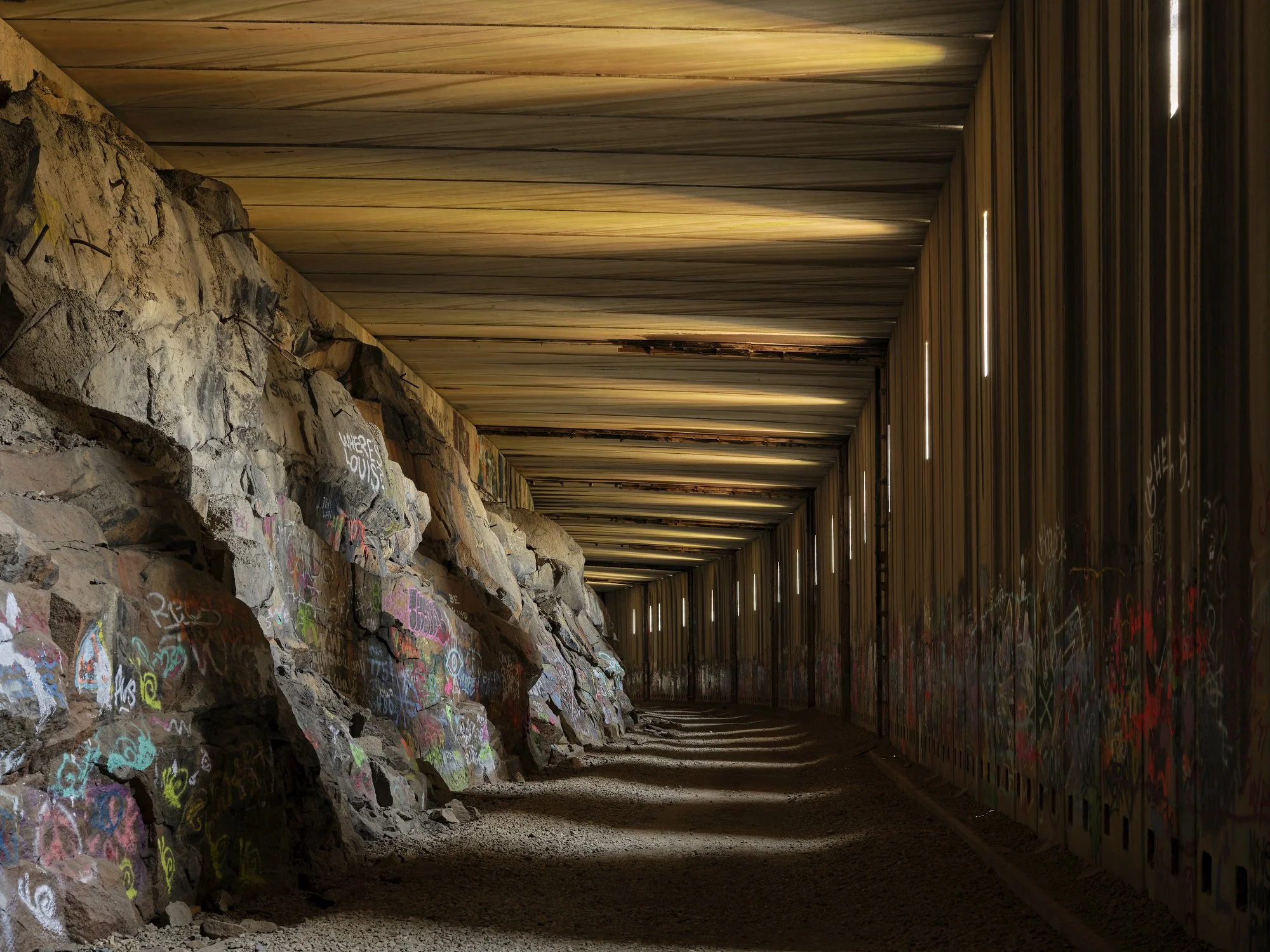
Tunnel #8 at Donner Summit, Truckee, CA
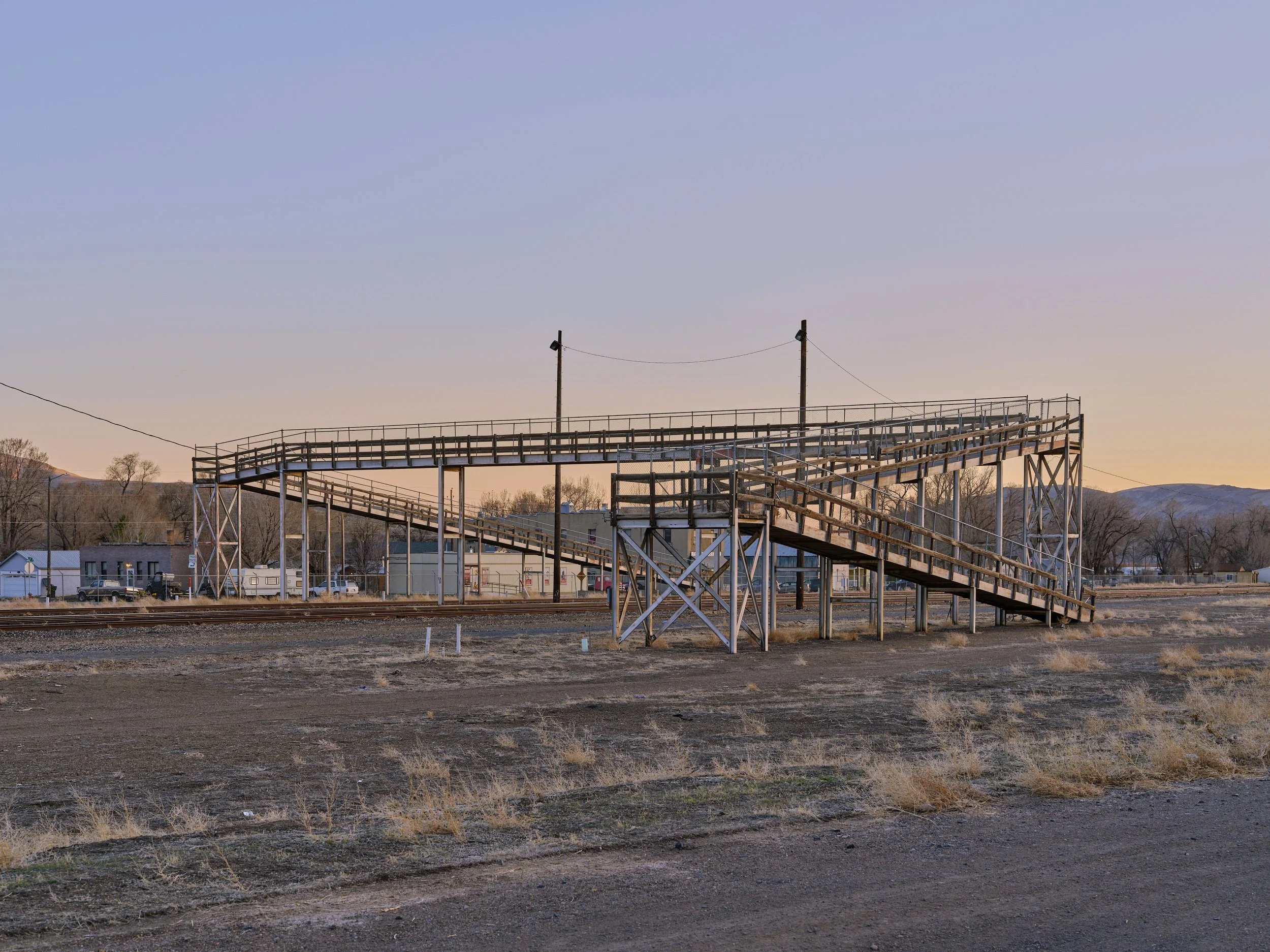
Pedestrian Overpass, Carlin, NV
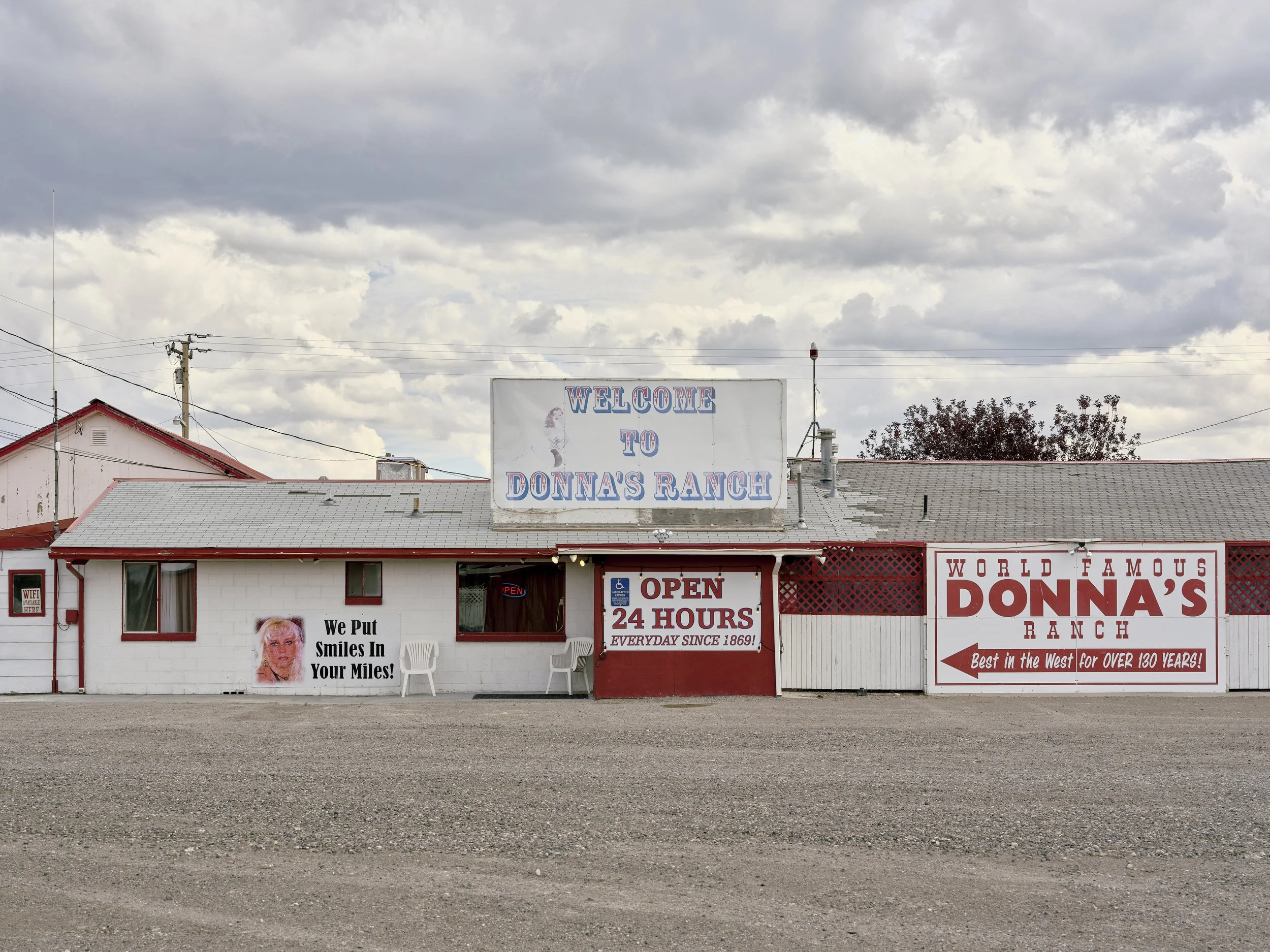
Donna’s Ranch, Wells, NV
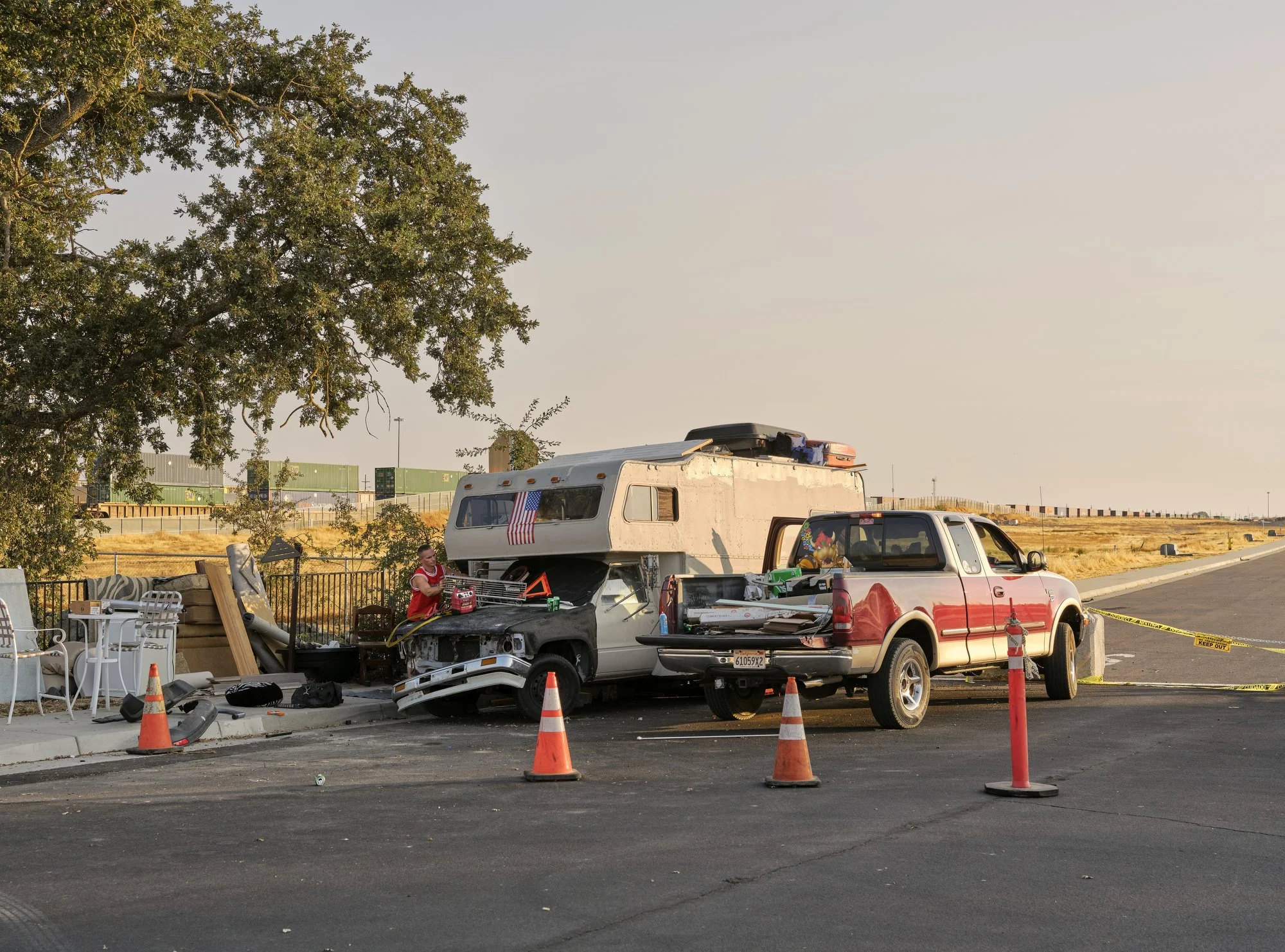
Homeless Encampment, Roseville, CA
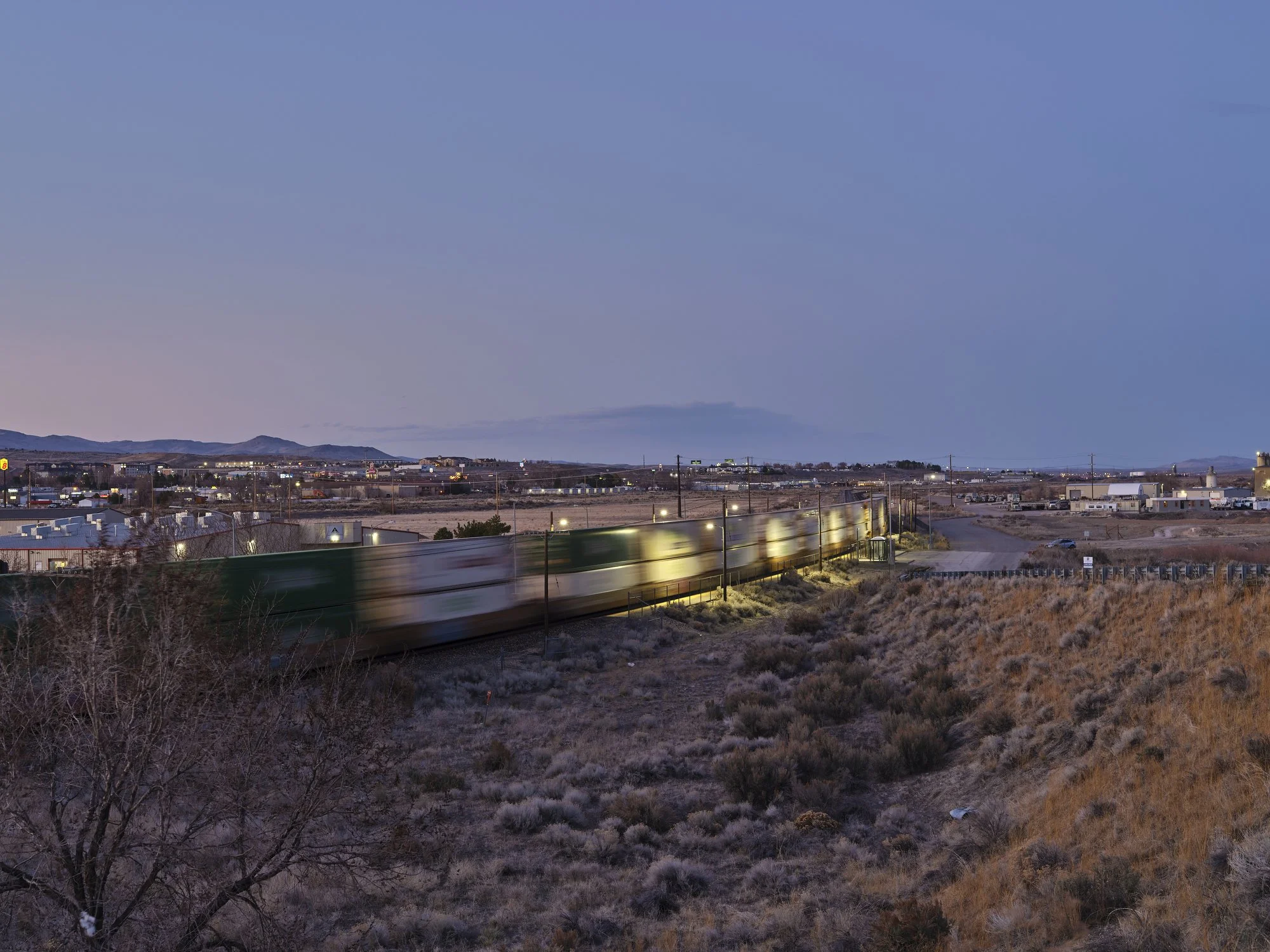
Freight Train, Elko NV
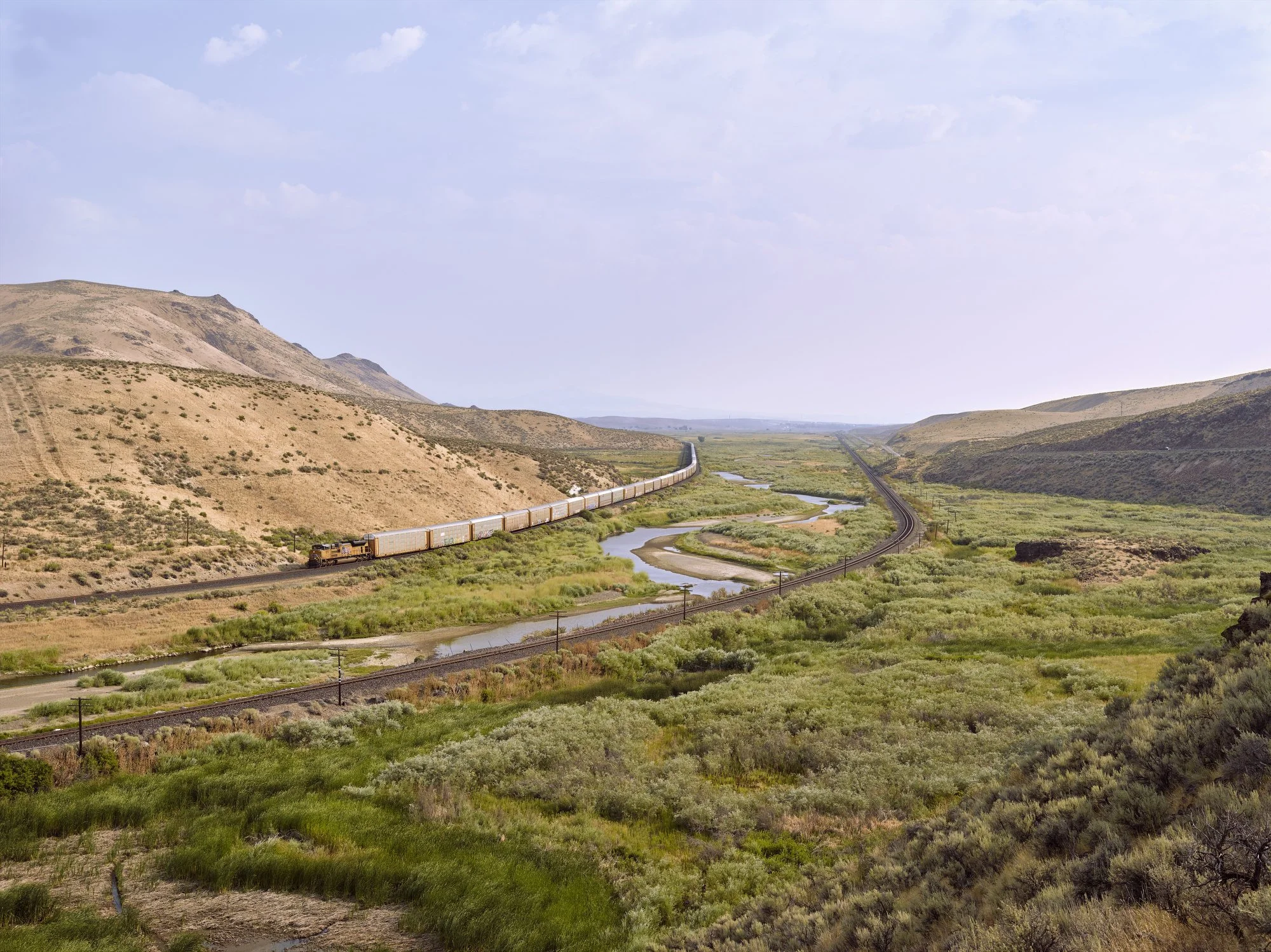
Humboldt River (1), Carlin, NV
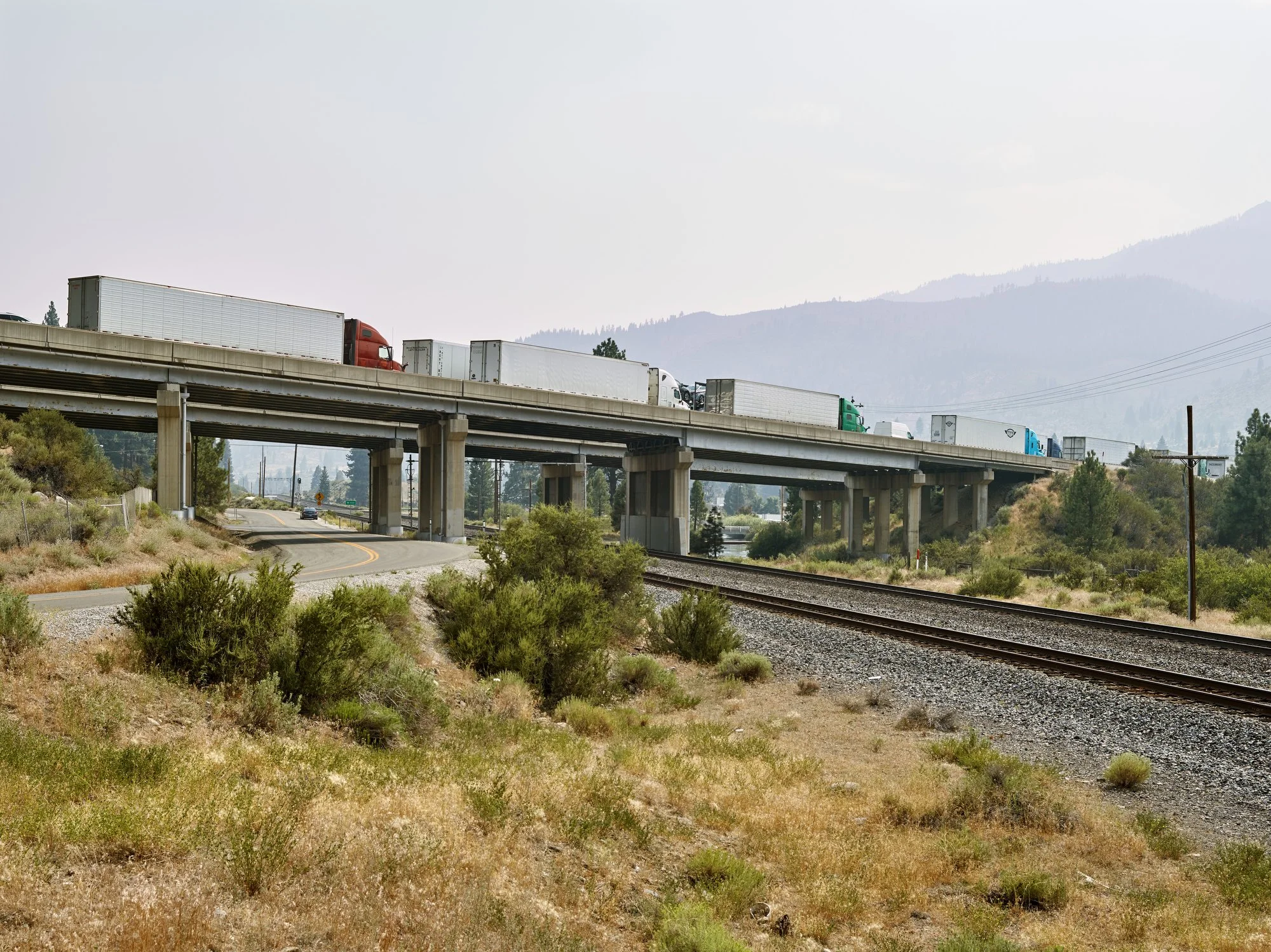
Overpass, Reno, NV
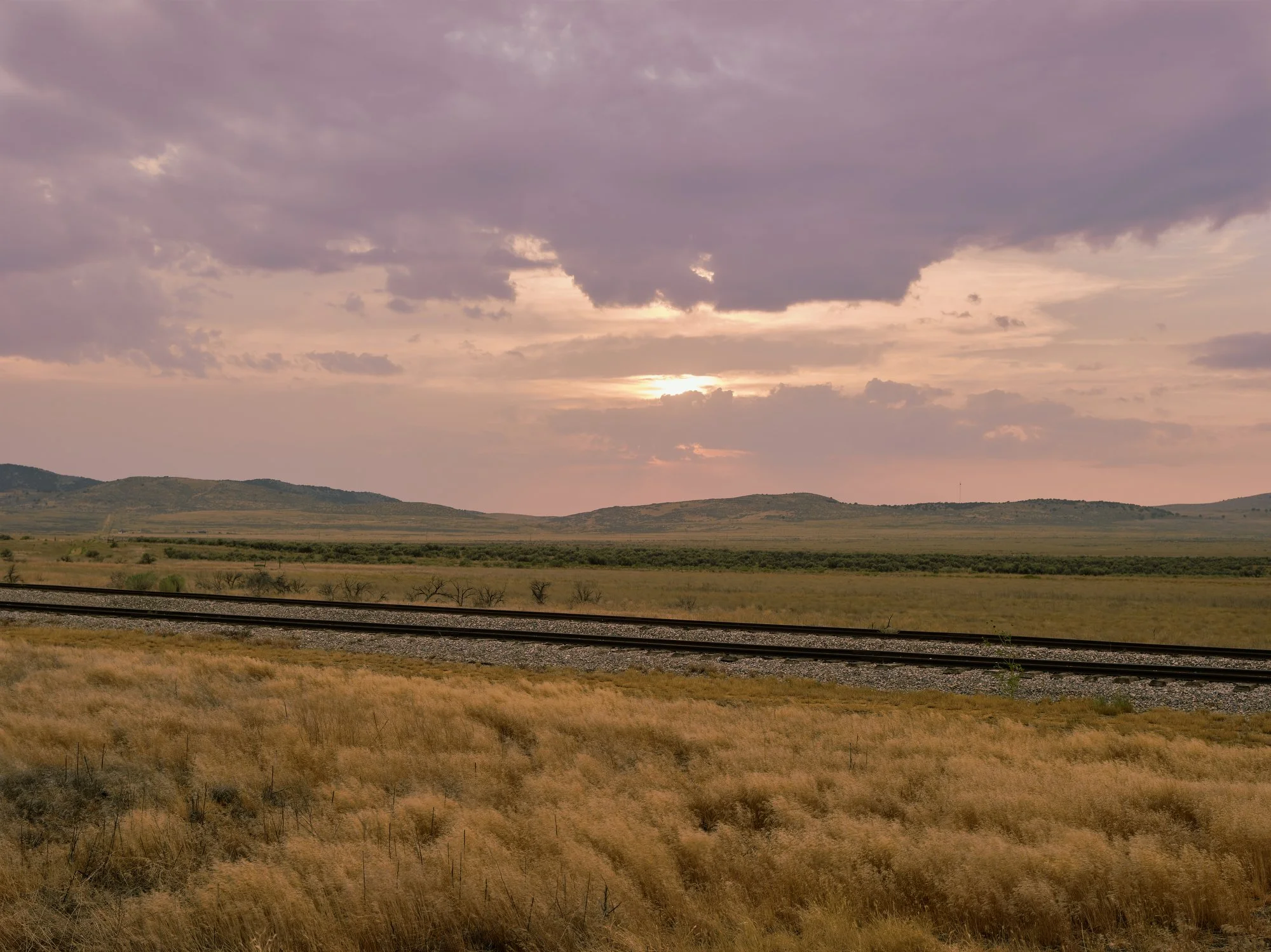
Last Mile of Track, Promontory, UT
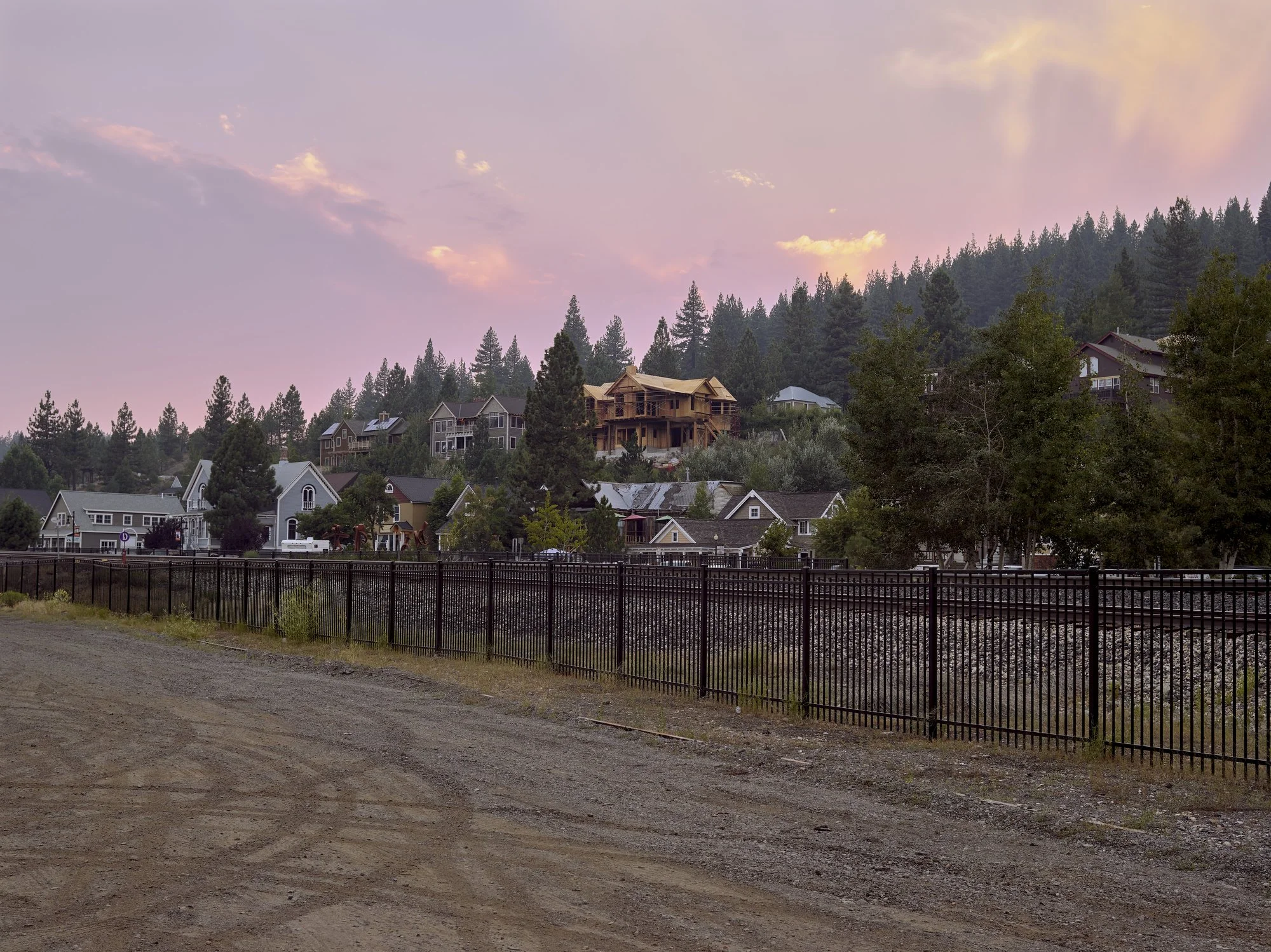
House on High Street, Truckee, CA
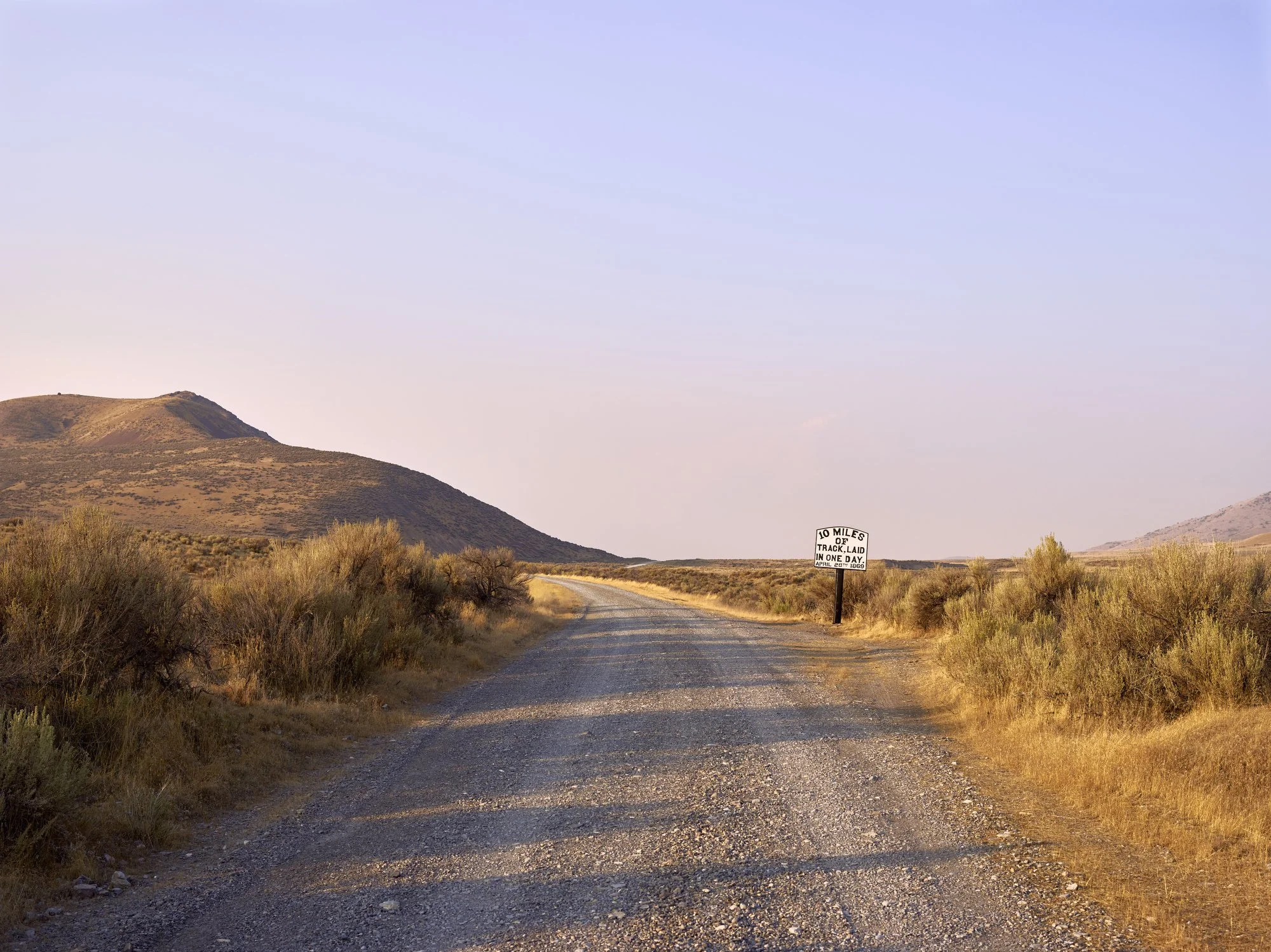
10 Miles of Track, Laid In One Day, Promontory, Utah
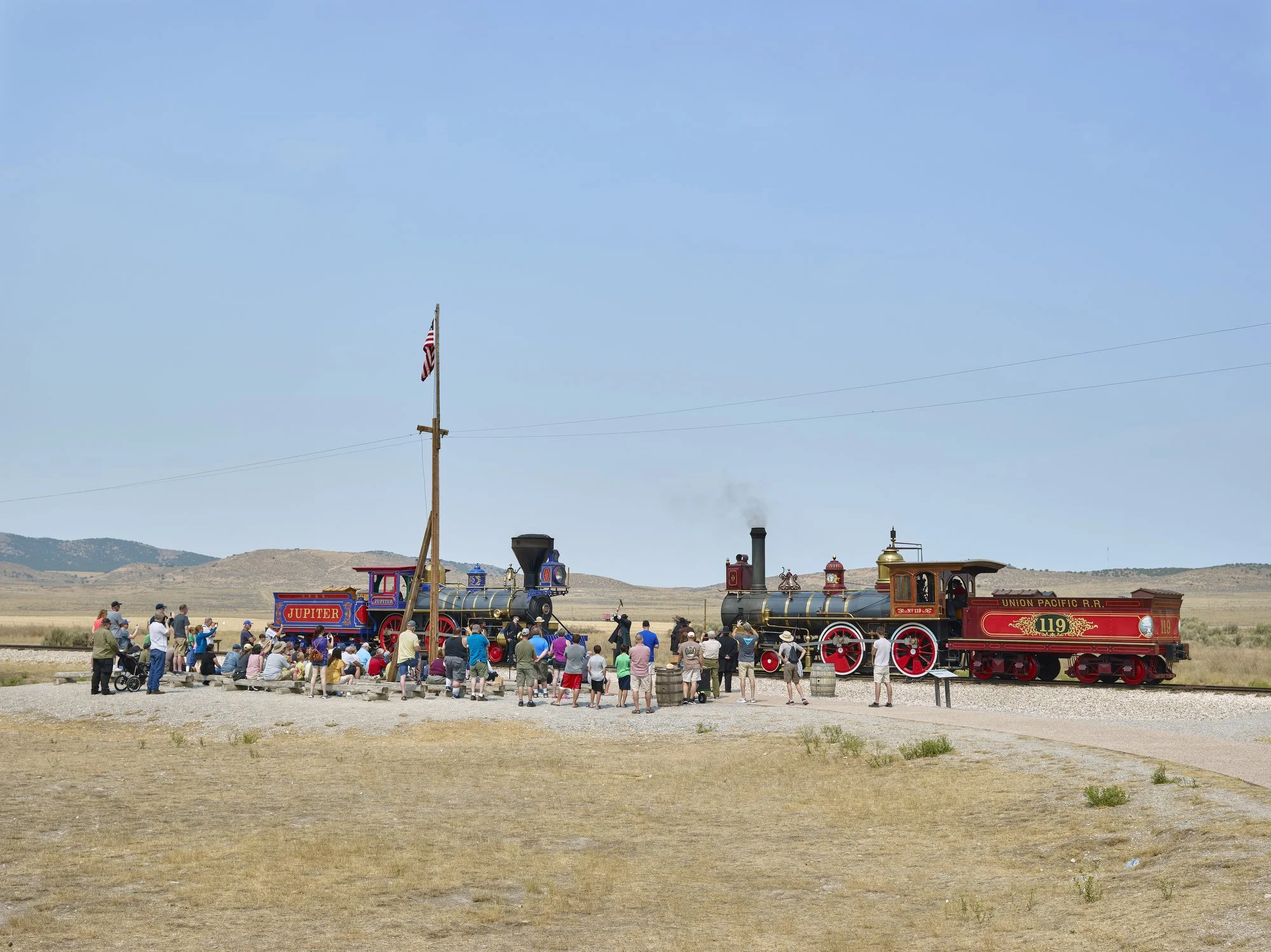
Last Spike Reenactment, Promontory, UT
The Central Pacific Railroad
The Central Pacific examines the history of Chinese migration to the United States through the contemporary landscape of the transcontinental railroad. The series follows the original and realigned sections of the Central Pacific railroad route from Sacramento, California to Promontory, Utah, highlighting historically significant sites, altered terrain, and monuments commemorating the Chinese migrant laborers who helped build the railroad between 1863 and 1869.
I came to this project through a desire to better understand and acknowledge the central role Chinese migrants played in the making of the United States. Their labor was indispensable to the completion of the First Transcontinental Railroad, one of the defining infrastructure projects of the nineteenth century, yet their presence remains comparatively marginal within the historical and visual narratives through which that history has been constructed. Thousands of Chinese workers undertook dangerous and physically punishing labor under extreme conditions, with many injuries and deaths left unrecorded. The Chinese Exclusion Act, enacted soon after the railroad’s completion, makes plain the contradiction at the center of this history: a labor force essential to national expansion was simultaneously consigned to exclusion.
In these photographs, I approach the landscape as both evidence and omission. Quiet and forensic in tone, the images attend to places where history persists in partial and unstable form. In the railroad route itself, in marks left on the land, and in commemorative structures that attempt to secure memory. The series considers how labor, migration, and racialized exclusion remain embedded in the physical and symbolic terrain of the American West, and asks what the landscape can disclose about the people whose labor transformed it.